As TETTRIs comes to an end, project partners are already looking ahead to the future. Throughout the project, researchers and institutions across Europe developed new digital infrastructures, training programmes, communication campaigns, and collaborative initiatives aimed at strengthening taxonomic capacity and increasing the visibility of taxonomy in science and society.
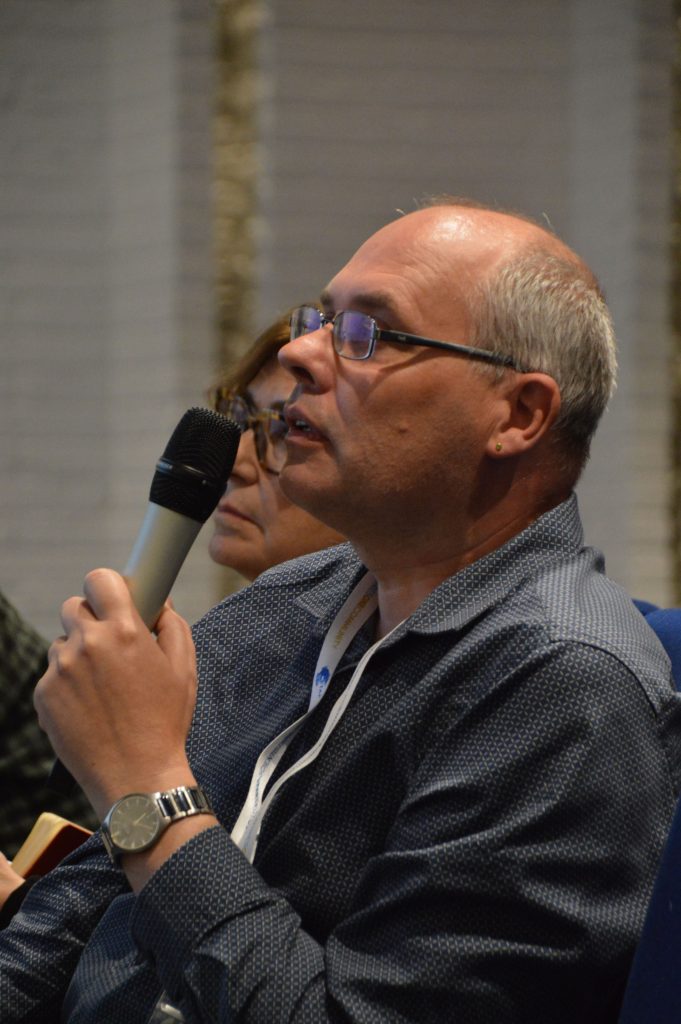
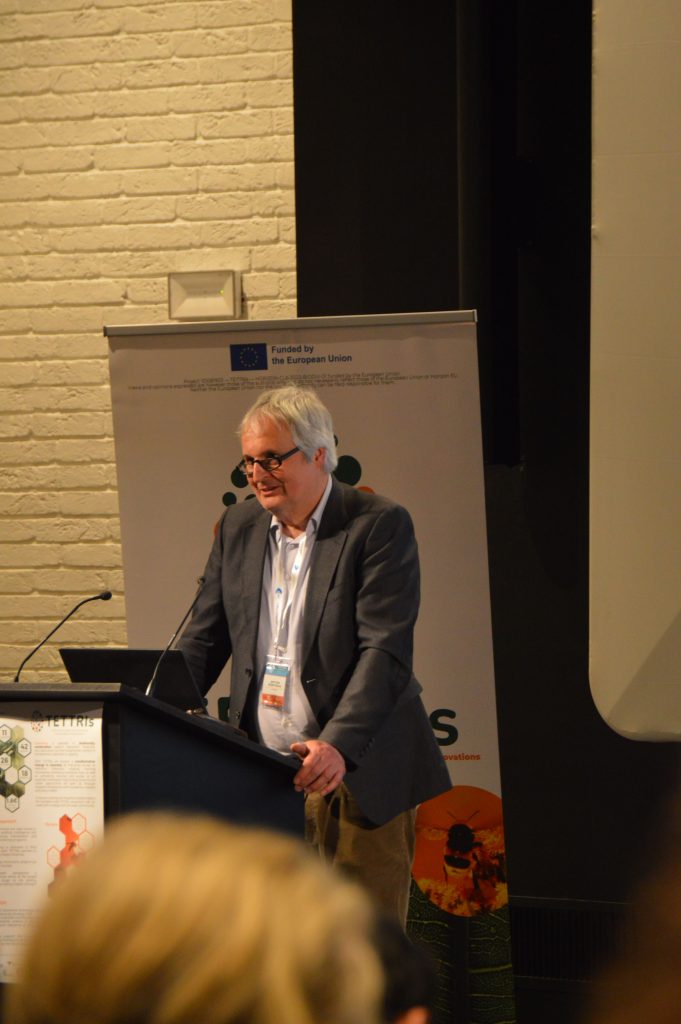
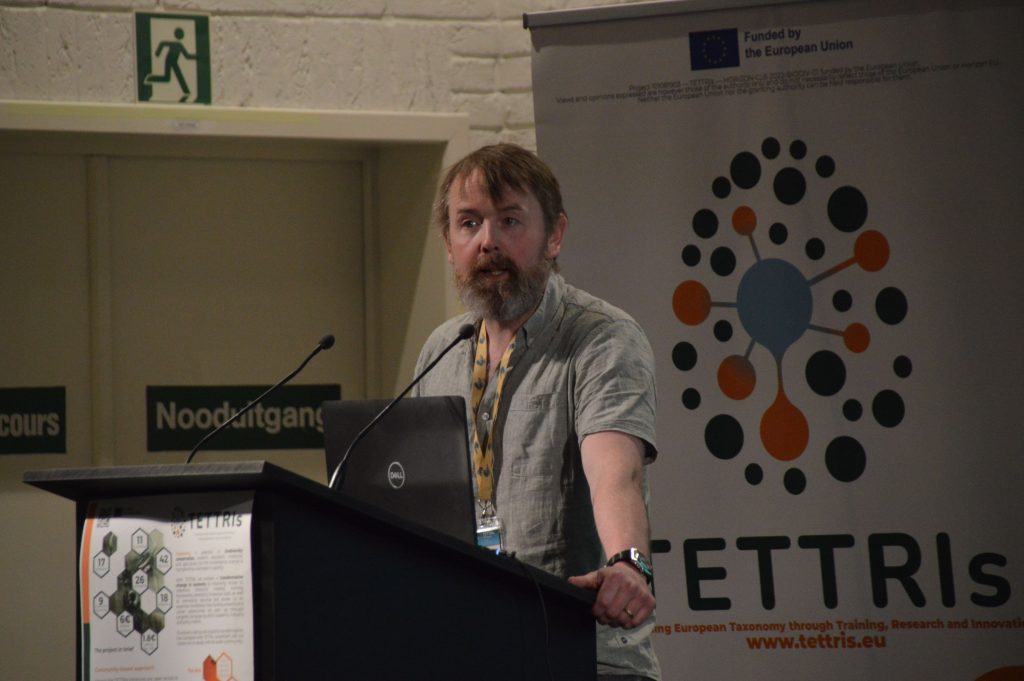
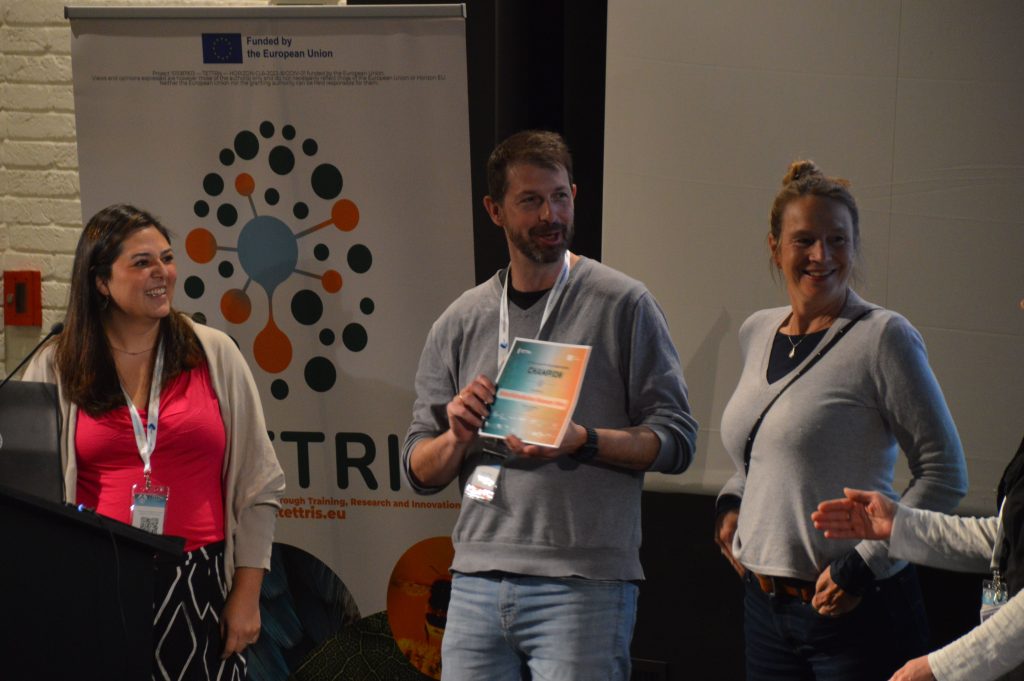
During the TETTRIs Final Event in Brussels, several work package leaders reflected on the project’s main achievements and shared how these outcomes will continue evolving through future initiatives such as TETTRIX.
Building shared infrastructures for taxonomy
One of the major outcomes highlighted during the event was the development of digital infrastructures designed to improve access to taxonomic expertise, collections, and services across Europe.
Wouter Addink (Naturalis) presented the TETTRIs Marketplace for taxonomic expertise and e-services, describing it as one of the project’s major successes.
“We now have a solid foundation for a central platform where you can find all this scattered knowledge about taxonomy in Europe.”
According to Addink, the next phase will focus on building a strong community around the platform and ensuring long-term sustainability through CETAF and future initiatives such as TETTRIX.
Similarly, Conrad Gillett (LUOMUS) highlighted the work carried out to improve accessibility to physical and virtual reference collections across European institutions.
“We hope the infrastructure we helped create will continue growing with more taxonomists contributing new reference collections in the future.”
Anton Güntsch (FUB BGBM) also reflected on the development of the European Checklist and Taxonomic Backbone Infrastructure, including work on EU-nomen and the integration of taxonomic resources at European and international scales.
“What we came up with is an excellent basis for future integration of infrastructures and data at European scale.”
Training the next generation of taxonomists
Training and capacity-building emerged as one of the strongest legacies of TETTRIs, particularly through the Cascade Funding Grants and the development of open-access educational resources.
Iasmi Stathi (NHMC-UOC) described the project’s training activities as one of its main successes, highlighting how courses developed during TETTRIs were immediately implemented, tested, and made openly accessible for the future.
“The courses created through TETTRIs will remain available for free and open to everybody.”
Pavla Růžková (IBOT CAS) also stressed the importance of the Cascade Funding Grants in expanding the taxonomic community and involving more researchers and citizens in European projects.
“The most important outcome of the Cascade Funding Grants is the cooperation and growing community.”
Meanwhile, Peter Warth (SMNS) highlighted new collaborations with industry and educational initiatives such as the “Taxonomist in Residence” programme, which will continue under TETTRIX.
“We connected with a different crowd when it comes to education and bridging gaps in taxonomic training.”
Communicating the importance of taxonomy
Another major focus of the project was communication and public engagement, aiming to demonstrate the relevance of taxonomy beyond scientific circles.
Michael Maggee (NHMD) AMEreflected on the communication campaign developed throughout the project, which aimed to connect taxonomy with everyday life, policymaking, and industry.
“Taxonomy is relevant for everybody — for the public, for businesses, and for policymakers.”
One of the project’s most visible initiatives was the creation of Taxonomy Recognition Day, organised annually on 23 May under the hashtag #NameItToSaveIt.
“How can we protect what we don’t know?”
According to Maggee, the campaign reached almost one million people worldwide and will continue expanding under TETTRIX.
Strengthening ethics, inclusion, and collaboration
Beyond scientific and technical achievements, TETTRIs also addressed important social dimensions within the research community.
Carole Paleco (RBINS) highlighted the work carried out on ethics implementation and gender balance across project partners and Cascade Funding beneficiaries.
“It has been a huge success to reinforce the community in these two areas and for the future of taxonomy overall.”
The project developed guidelines and monitoring processes related to ethics in fieldwork, community participation, permits, and informed consent, while also encouraging gender equality initiatives and mentoring programmes across institutions.
Finally, Quentin Groom (BG Meise) reflected on the collaborative spirit created throughout the project.
“It’s an amazing network of people to work with.”
For Groom, one of the greatest strengths of TETTRIs was bringing together experts from different disciplines and institutions to exchange knowledge, ideas, and experiences across the European taxonomic community.
Looking ahead
While TETTRIs formally concludes, many of its partners see the project as the beginning of a longer-term transformation for taxonomy in Europe.
From digital infrastructures and open-access training to public engagement campaigns and collaborative networks, the outcomes developed during TETTRIs are expected to continue evolving through future initiatives such as TETTRIX, helping strengthen the role of taxonomy in science, policy, and society.
Building guidance and policy legacy
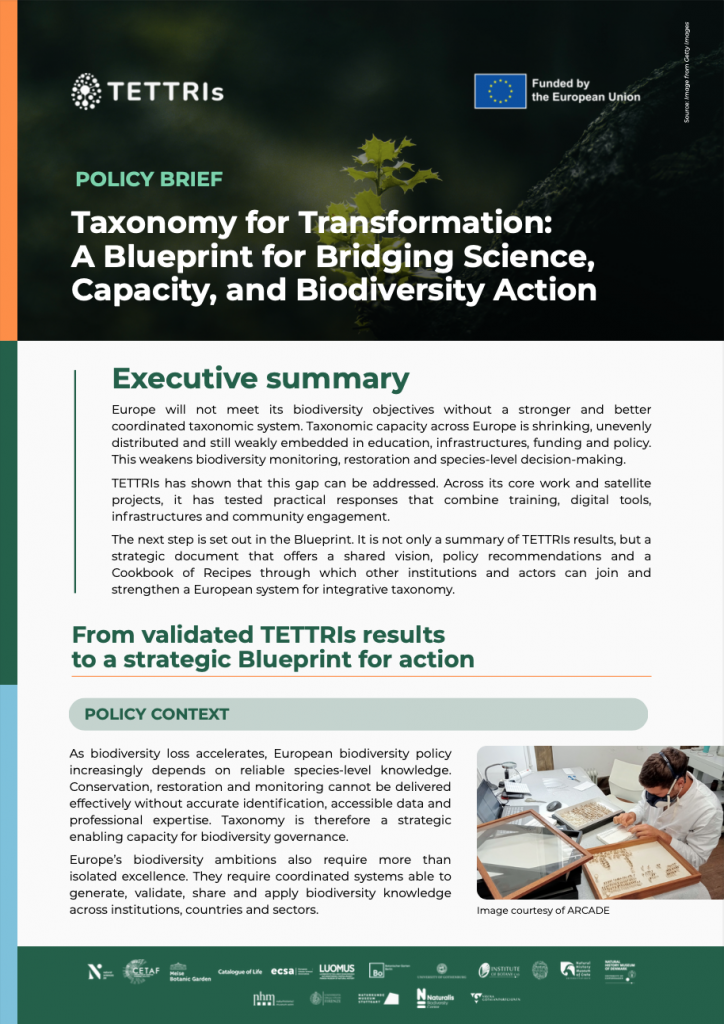
The event also highlighted broader strategic and policy-oriented outcomes developed throughout TETTRIs. Kate Evans (UGOT) presented the TETTRIs Blueprint for building taxonomic capacity, which provides strategic guidance and recommendations for strengthening taxonomic expertise and training across Europe. Accompanying the Blueprint, the TETTRIs Cookbook compiles practical “recipes” and examples developed throughout the project to support future capacity-building initiatives within the taxonomic community.
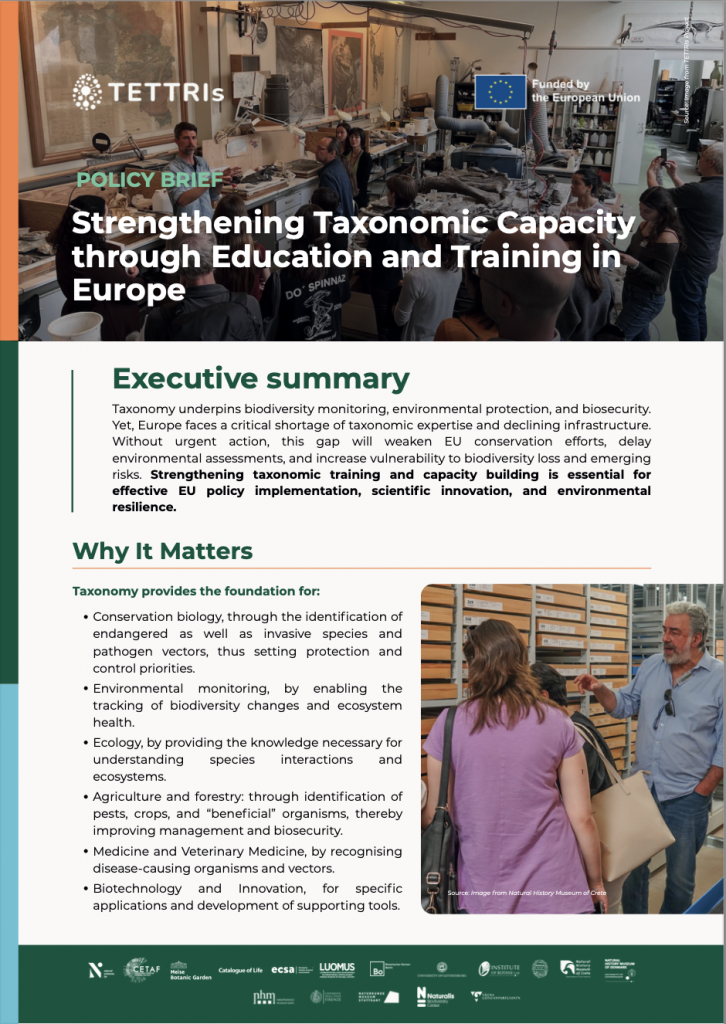
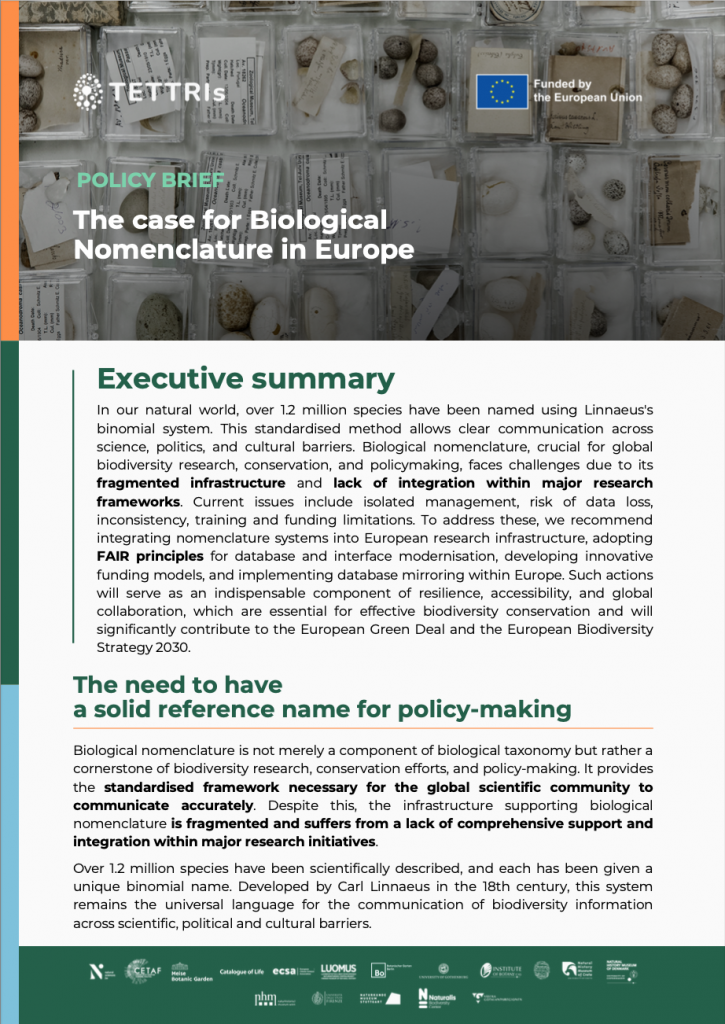
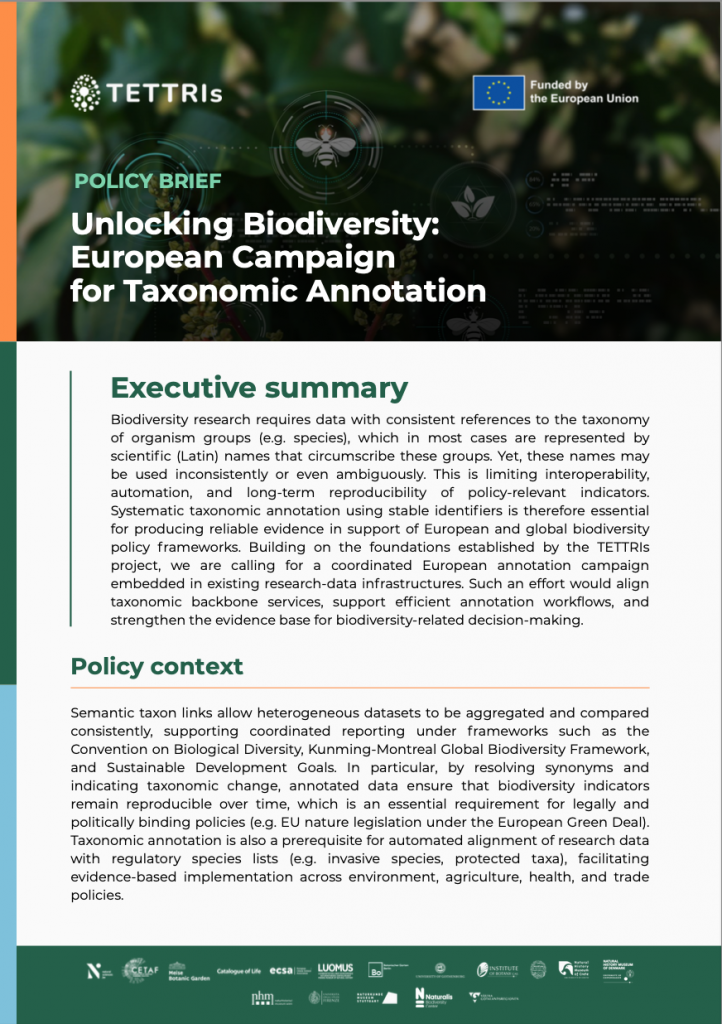
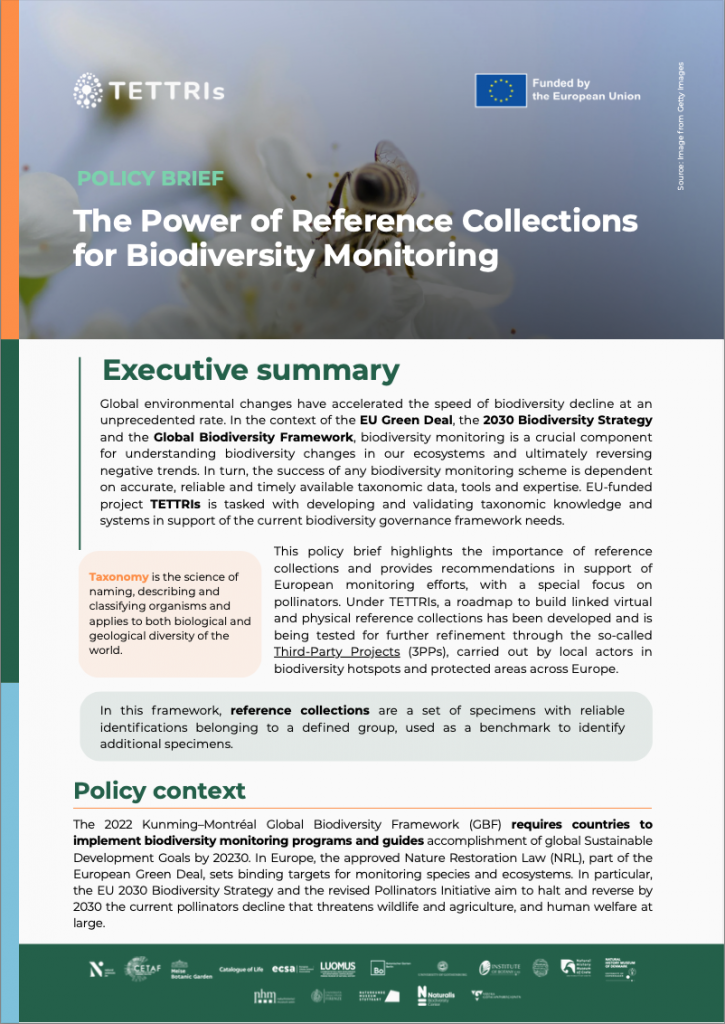
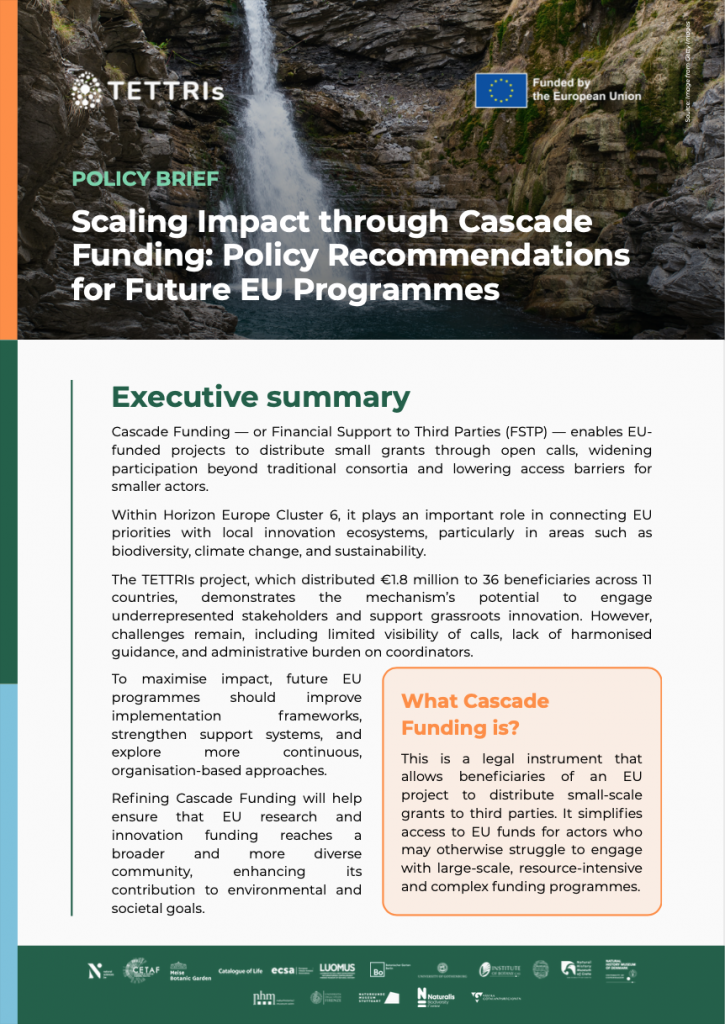
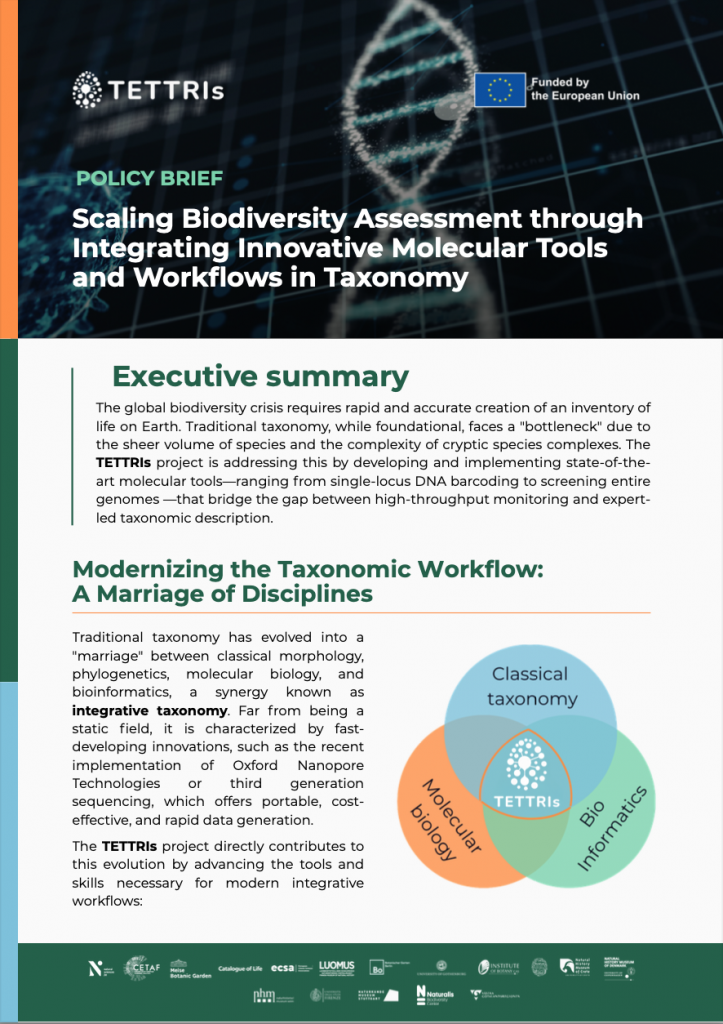
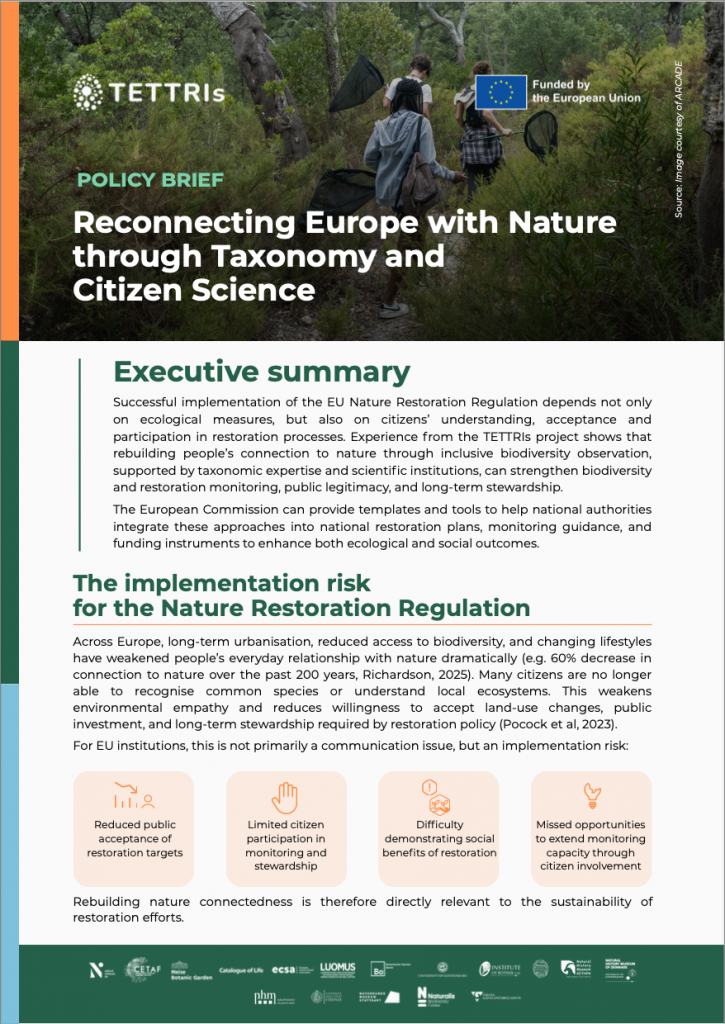
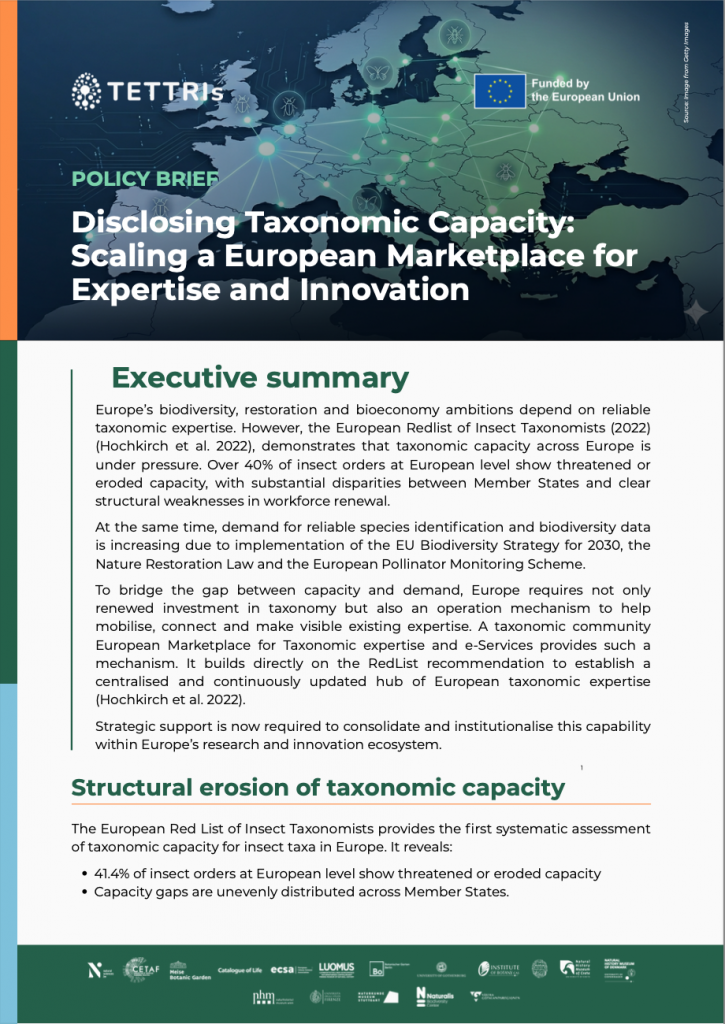
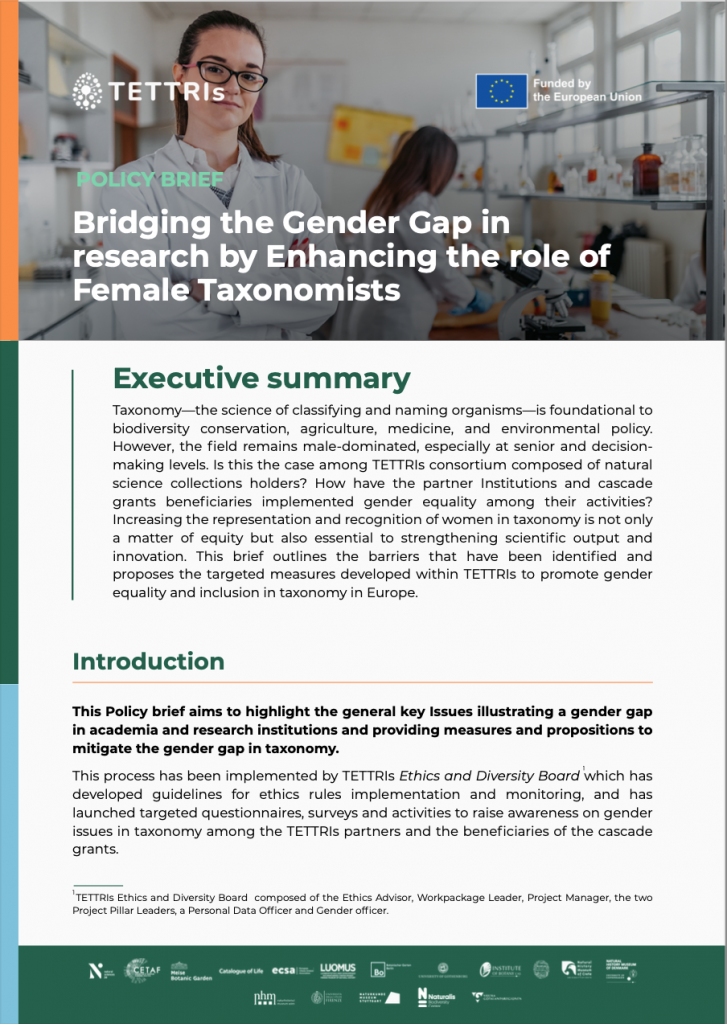
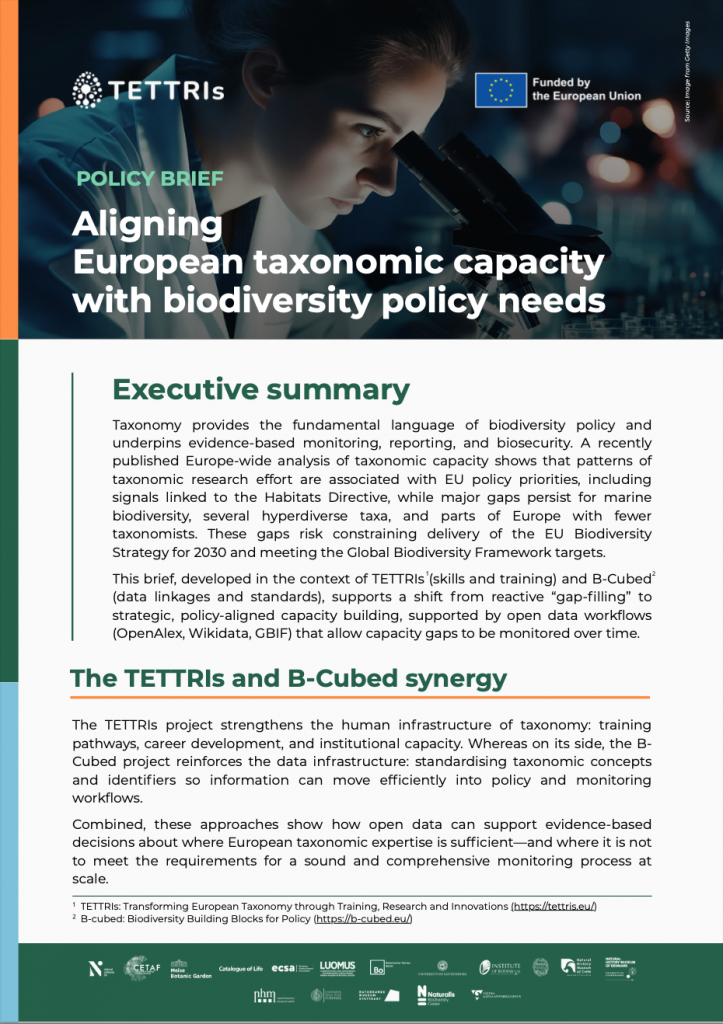
Before the end of the event, Michael Magee also presented the TETTRIs Policy Brief series, developed throughout the initiative to translate scientific outcomes and taxonomic expertise into accessible recommendations for policymakers and stakeholders.
Explore the policy briefs below:
More information, including the full programme and detailed speaker profiles, is available here.