During the TETTRIs Final Event held in Brussels from 27 to 29 April 2026, one of the central discussions focused on the role of taxonomy within the One Health approach, highlighting the growing connections between biodiversity, ecosystem resilience, and public health.
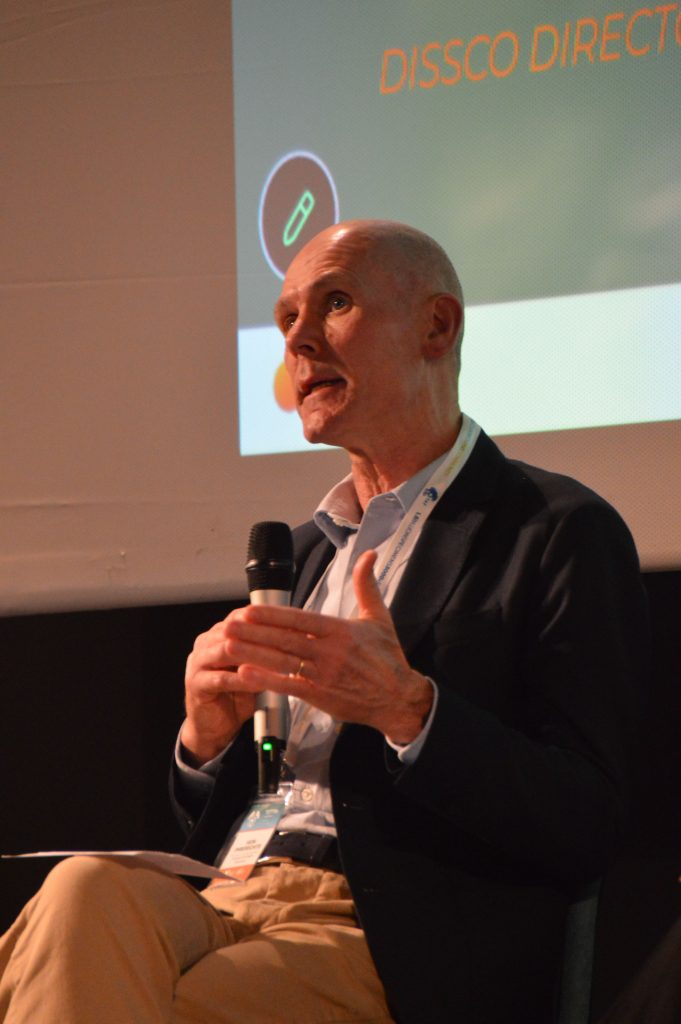
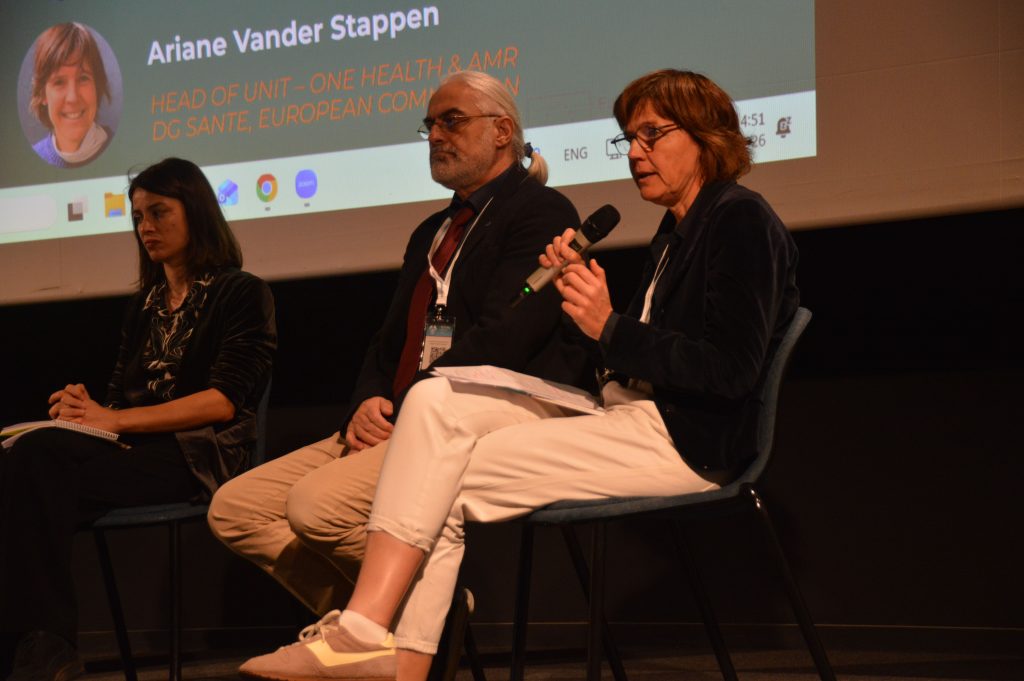
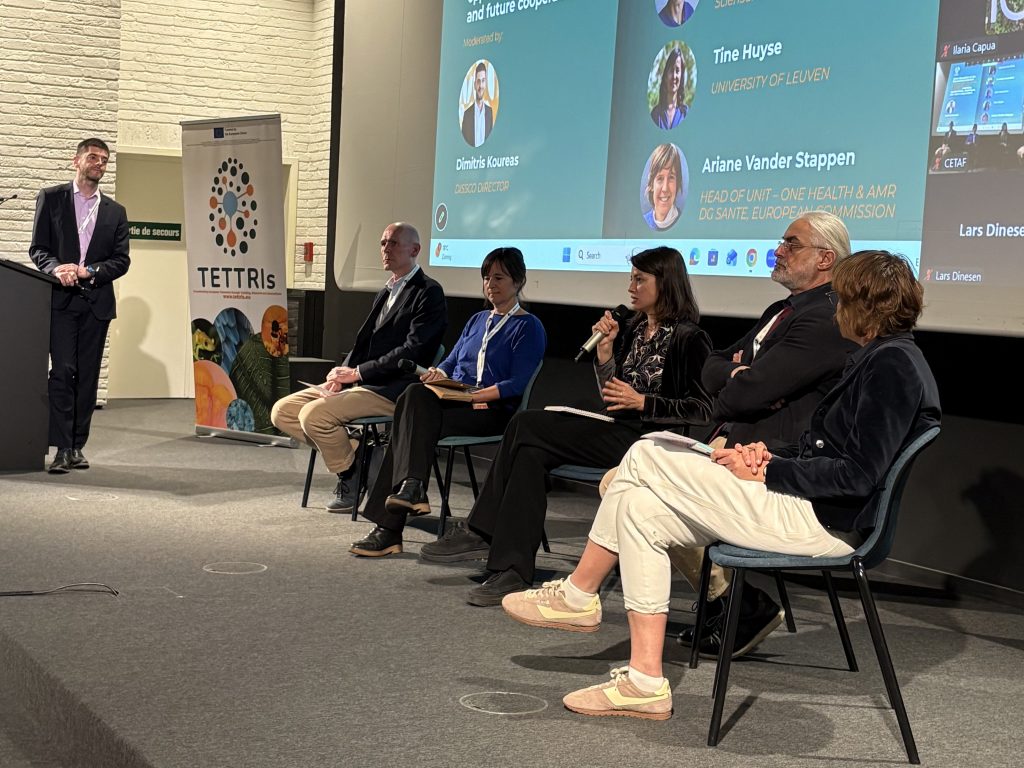
The panel “Taxonomy meets One Health”, moderated by Dimitris Koureas, Executive Director of the Distributed System of Scientific Collections (DiSSCo) European Research Infrastructure and Managing Director for Digital and Chief Information Officer at Naturalis Biodiversity Center in the Netherlands, brought together experts from European institutions, research infrastructures, and scientific organisations to explore how taxonomic knowledge can contribute to disease prevention, environmental monitoring, food systems, and integrated health strategies.
Participants stressed the importance of interdisciplinary collaboration and the need for interoperable biodiversity data to support early detection systems and evidence-based policymaking.
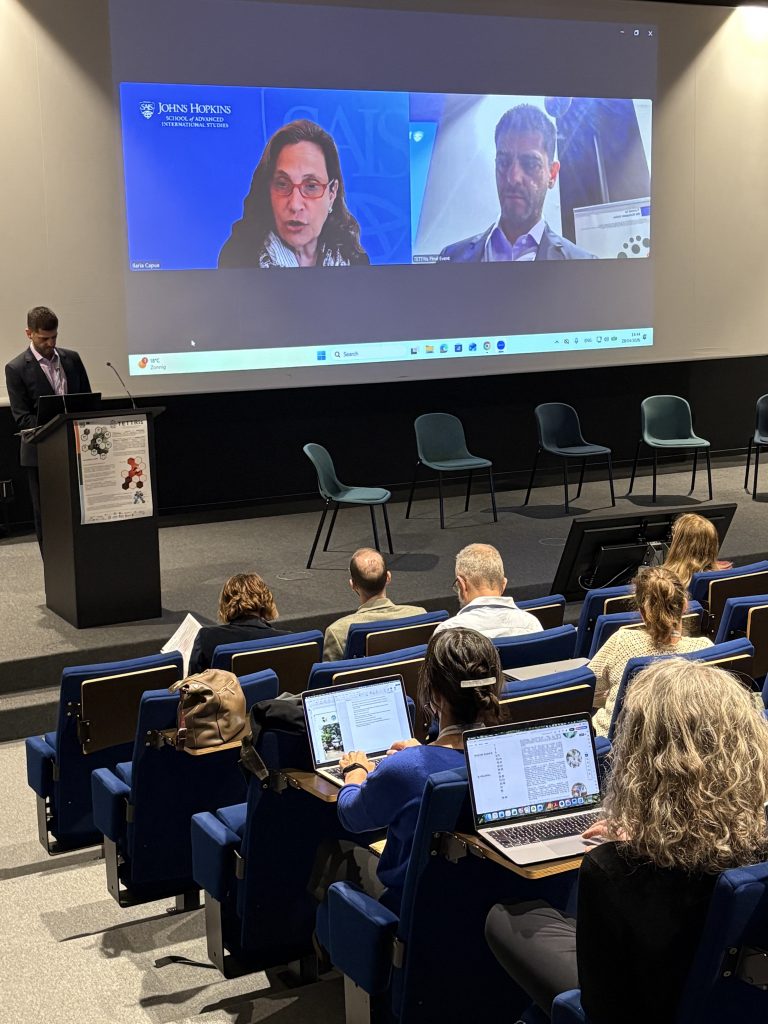
During the keynote speech, Ilaria Capua reflected on the growing challenges facing science communication and public trust in scientific expertise. With her extensive experience in virology, global health, and public policy, she warned about the risks posed by misinformation and the increasing disconnect between science and society, particularly in the context of public health and environmental crises.
“Citizens are not informed and therefore this is creating a mistrust in science, which is another enormous problem.”
Capua also pointed out that this growing distrust, combined with current political tensions across Europe and beyond, could further weaken society’s ability to respond collectively to global challenges, stressing the importance of stronger dialogue between science, policy, and citizens.
Hein ImberechtsEleonora De FalcisChristos ArvanitidisAriane Vander StappenTine HuyseIlaria Capua
Representatives from the European Commission’s Directorate-General for Health and Food Safety (DG SANTE), biodiversity organisations, and research infrastructures also discussed the importance of integrating taxonomy more directly into One Health policies and implementation frameworks.
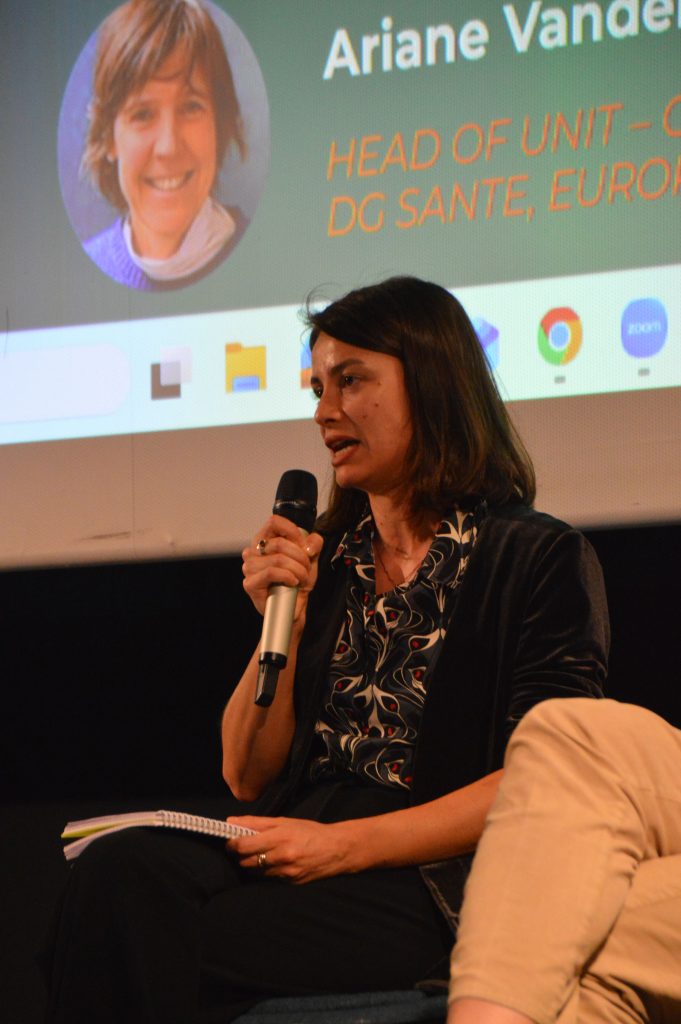
Ariane Vander Stappen pointed to the increasing role of the One Health approach within European policymaking, including the growing connections between climate, biodiversity, and health. Based on her experience leading EU initiatives on One Health and antimicrobial resistance at the European Commission, she noted the importance of placing the One Health approach at the core of policymaking through concrete and measurable targets for Member States.
Vander Stappen also emphasised the need to strengthen governance and cross-sector collaboration across policy areas including health, environment, agriculture, research, and employment. She underlined the importance of biodiversity data availability for early detection systems and referred to initiatives aimed at connecting One Health more closely with citizens and the taxonomic community through gamified tools, particularly targeting adolescents.
Meanwhile, Christos Arvanitidis stressed that the One Health approach now requires practical implementation, particularly regarding the interoperability of the large amounts of biodiversity knowledge generated through systematics and taxonomy. Drawing on his experience in biodiversity informatics, digital infrastructures, and open science, he highlighted the importance of FAIR and interoperable data systems to support surveillance, monitoring, and evidence-based decision-making within One Health strategies.
Arvanitidis also emphasised the central role of the taxonomic community within this process, arguing that taxonomists should be actively involved in developing the new knowledge and infrastructures needed to support interdisciplinary and cross-sectoral approaches.
“The community of taxonomists should be the developers of the new data and knowledge,” describing taxonomists as “the heart of the process.”
He further pointed out that taxonomy both contributes to and benefits from other scientific disciplines, helping “bring order into the chaos of the biosphere.”
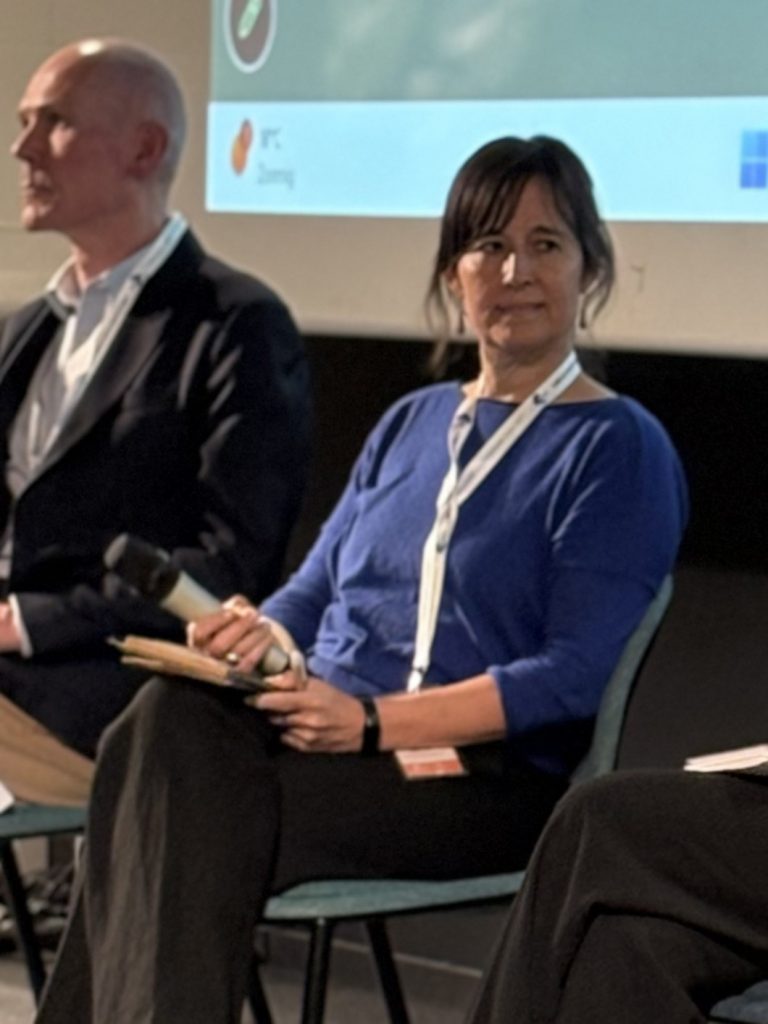
The discussion also explored the links between agrobiodiversity, food systems, and resilience. Eleonora De Falcis reflected on the role of agrobiodiversity within the One Health approach, explaining how crop diversification can contribute to healthier and more resilient food systems. Speaking on her experience working on biodiversity-based production systems and sustainable agri-food systems across different regions, she stressed that while the connections between biodiversity, food systems, and health are increasingly recognised, identifying practical solutions and effective incentives remains a major challenge.
De Falcis also underlined the need to improve biodiversity data accessibility and integration, particularly by connecting taxonomic classifications with functional traits to better support users, decision-makers, and agricultural systems.
Tine Huyse underlined the need for accessible tools and taxonomic expertise in regions affected by disease transmission. In the context of her work on host–parasite relationships, zoonoses, and neglected tropical diseases, she addressed the importance of improving access to collections and taxonomic knowledge to better understand the evolution and distribution of parasite species, for example through platforms such as DiSSCo. She also pointed to the difficulties of accessing morphological descriptions and reliable identification tools in many African contexts, making it harder to determine which species are involved in disease transmission.
Huyse also discussed the potential of emerging technologies such as 3D morphotyping, DNA barcoding, and AI-assisted identification tools to support disease monitoring in the field. She also emphasised the importance of citizen science and local capacity-building, noting that training citizens to become taxonomic experts can strengthen both surveillance systems and community engagement.
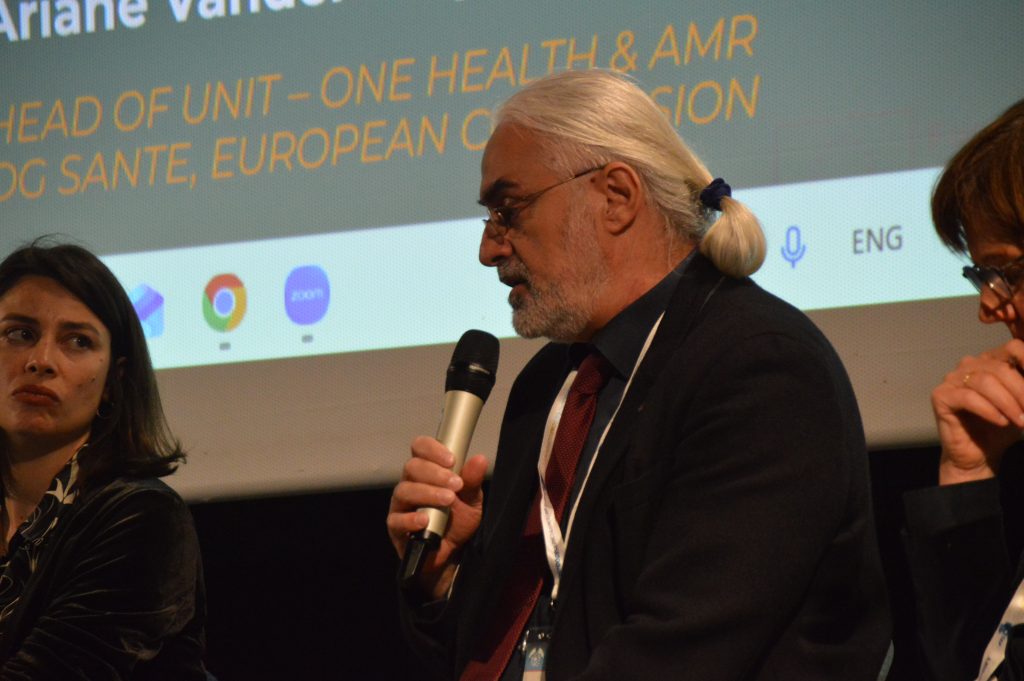
For his part, Hein Imberechts observed the importance of strengthening collaboration and capacity-building across the European One Health community. Through his work coordinating large-scale One Health initiatives and networks, he noted the need to involve a wide range of institutions and stakeholders in developing solutions and supporting both European and local policy makers.
Imberechts also emphasised that preparedness and disease prevention strategies must include taxonomic expertise, particularly in the context of vector-borne diseases and the growing impacts of climate change. He also referred to the role of education and public engagement, arguing that One Health needs “ambassadors” capable of communicating its value and raising awareness among future generations.
A recurring message throughout the panel was that taxonomy is increasingly recognised not only as a scientific discipline, but also as a critical component for addressing complex societal challenges linking biodiversity, climate, food systems, and public health.
More information, including the full programme and detailed speaker profiles, is available here.
Share:
More newsposts
TETTRIs tools for taxonomists
TETTRIs produced tools that are free and available now.