An innovative engagement model born in Denmark found new roots in Crete — connecting young people with taxonomy through sound, forest, and biodiversity exploration.
As part of the TETTRIs project, an innovative engagement model was developed in Denmark to connect young people with taxonomy through music. By using music as a gateway into biodiversity dissemination, the approach offered a fresh and accessible entry point into naming the natural world. Following its success in Denmark, partners in Crete adapted and validated the model — a testament to the interconnections made possible through #HorizonEurope.
From Denmark to Crete
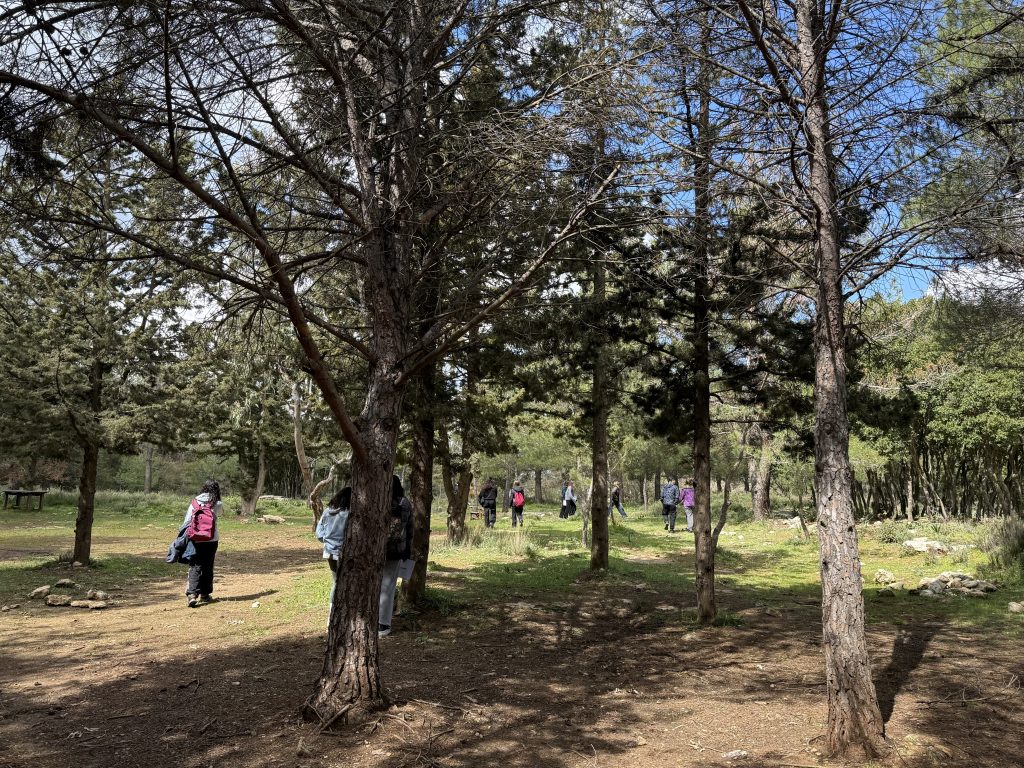
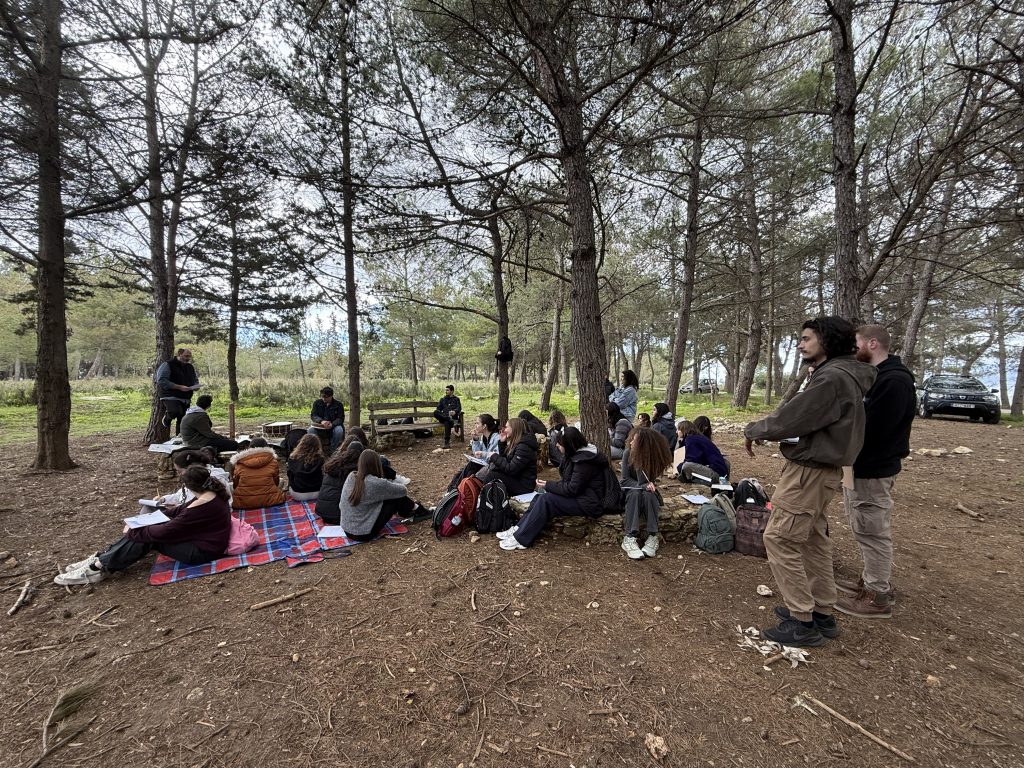
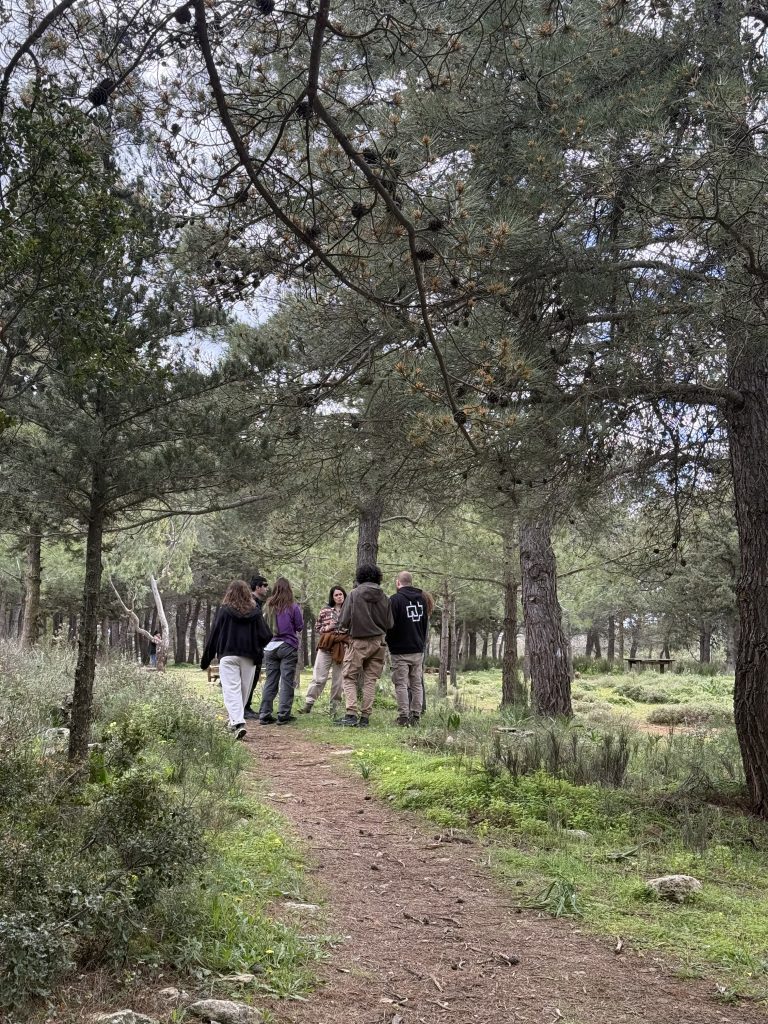
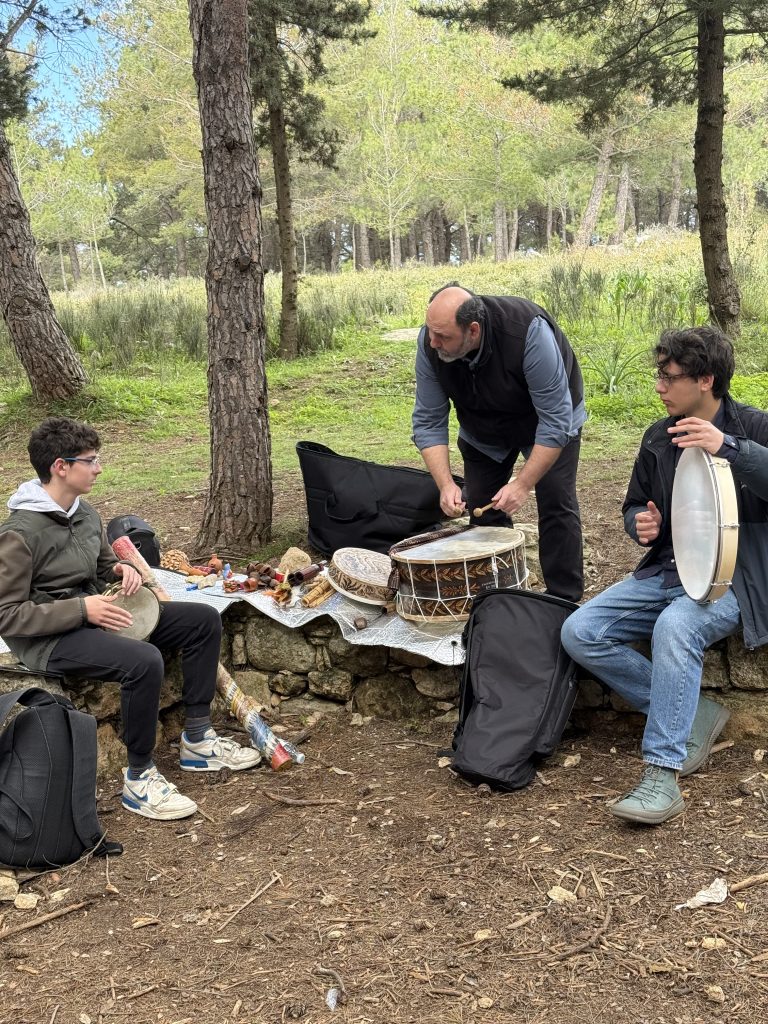
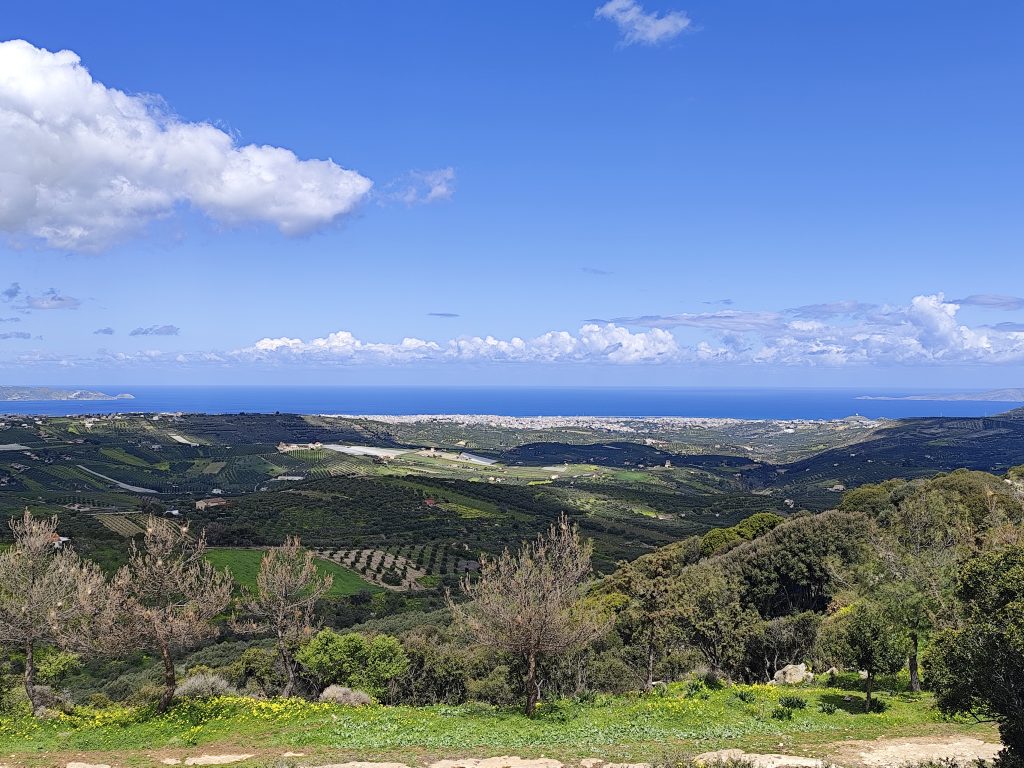
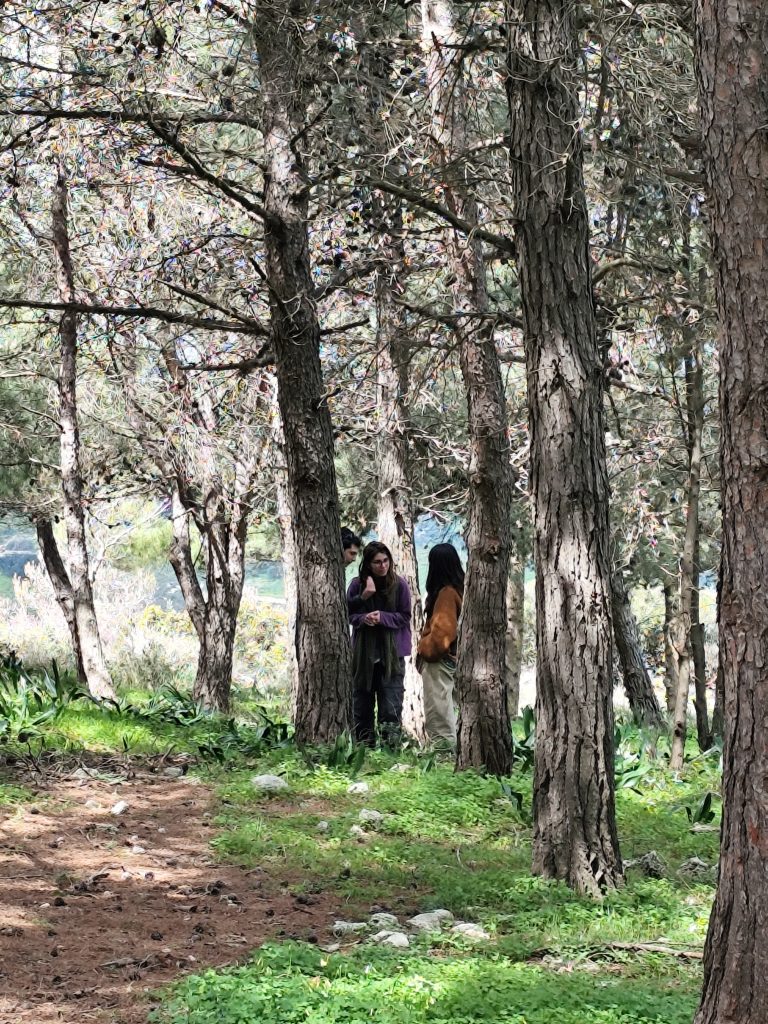
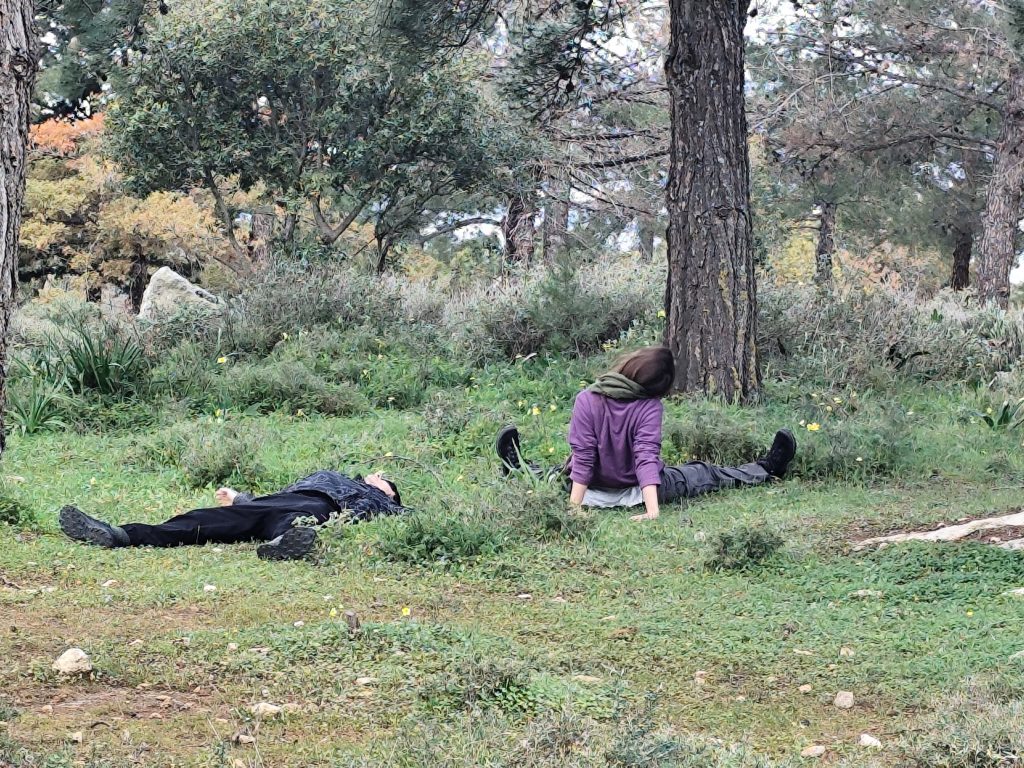
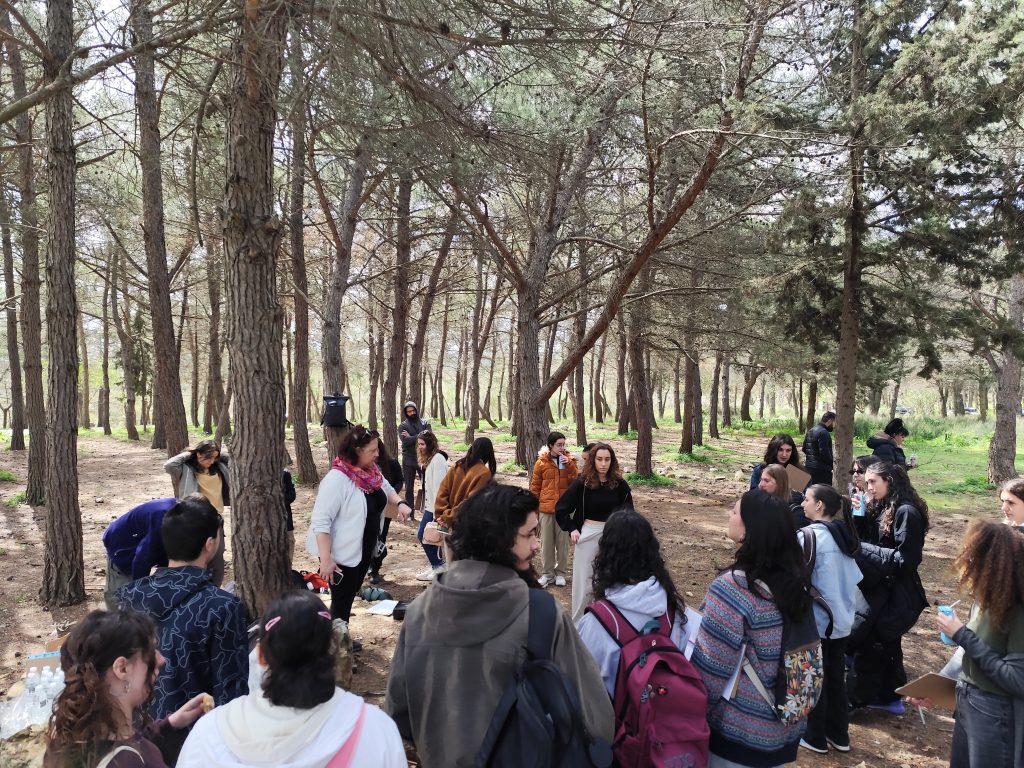
Last week, on 28 March, near Heraklion in Crete, young participants joined taxonomists from the Natural History Museum of Crete and musicians for a full-day nature excursion in the Fourni forest on Mt. Yiouktas.
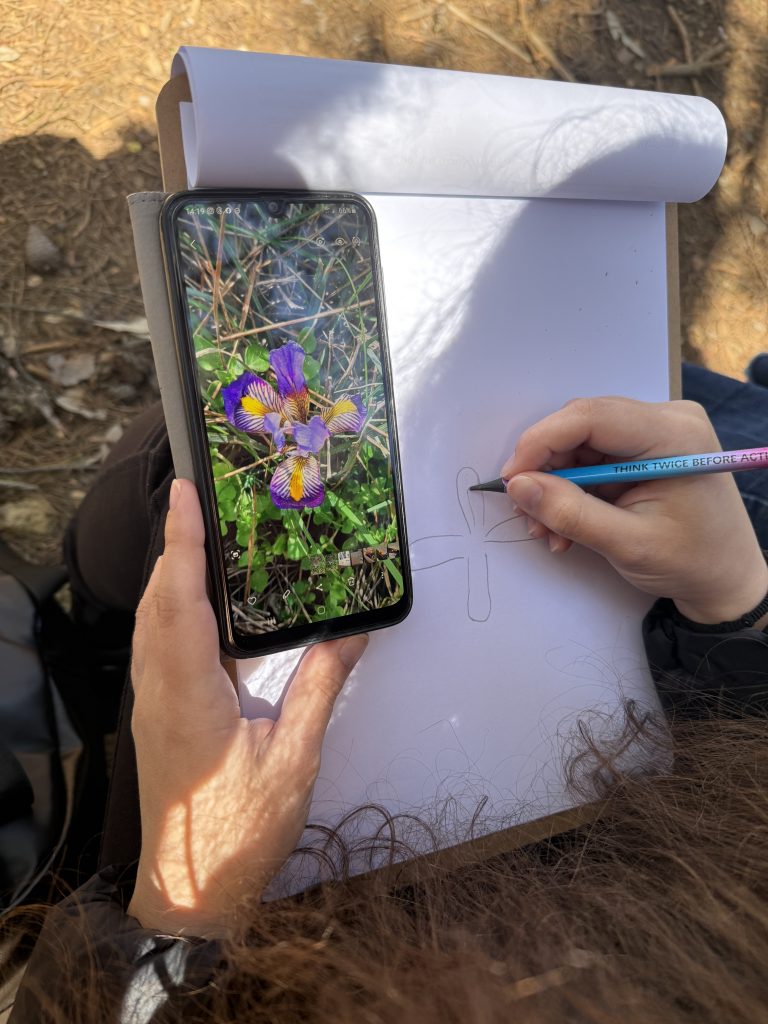
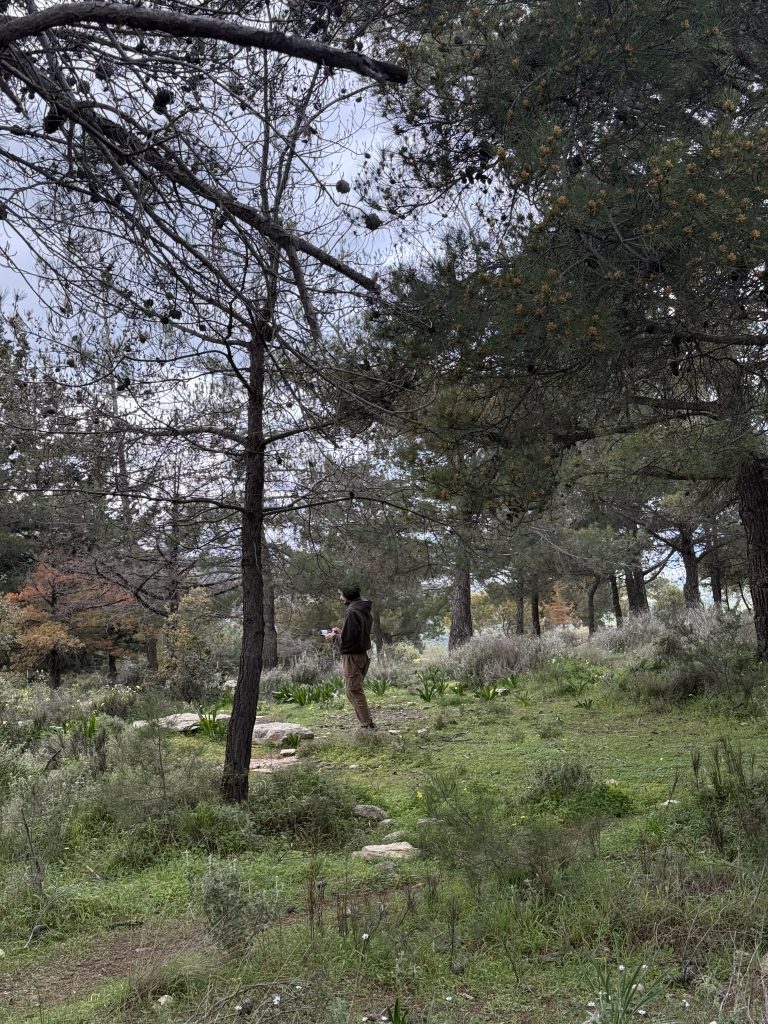
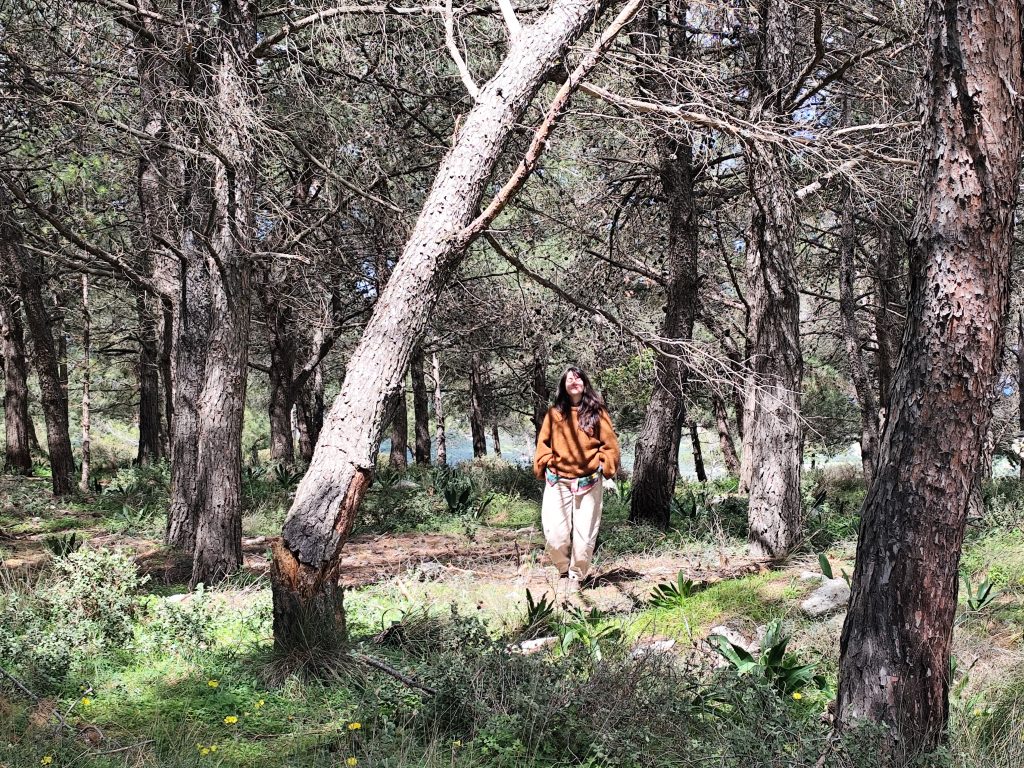
The day opened with an exploration of how nature inspires music by showing a powerful video from the Sounds Right Campaign to declare Nature an artist [1]. Then came an introduction to iNaturalist — a citizen science tool for identifying and monitoring species. Participants then set off into the forest for an immersive nature walk, observing local species, tuning into natural soundscapes, and reflecting on their personal connection to the environment.
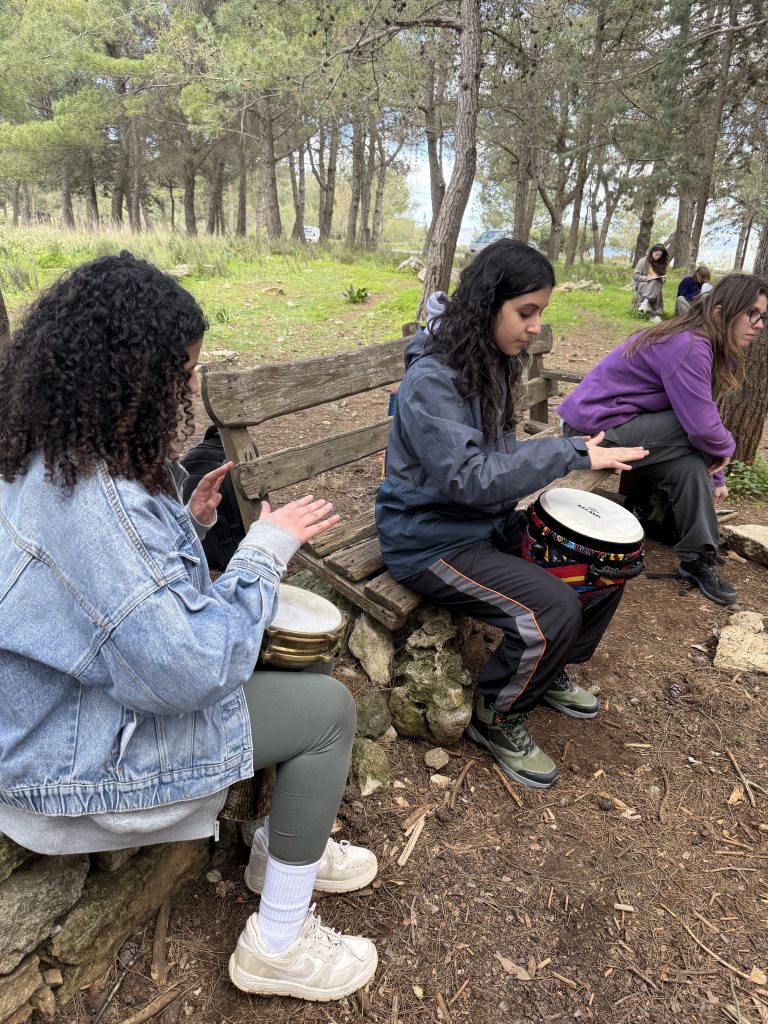
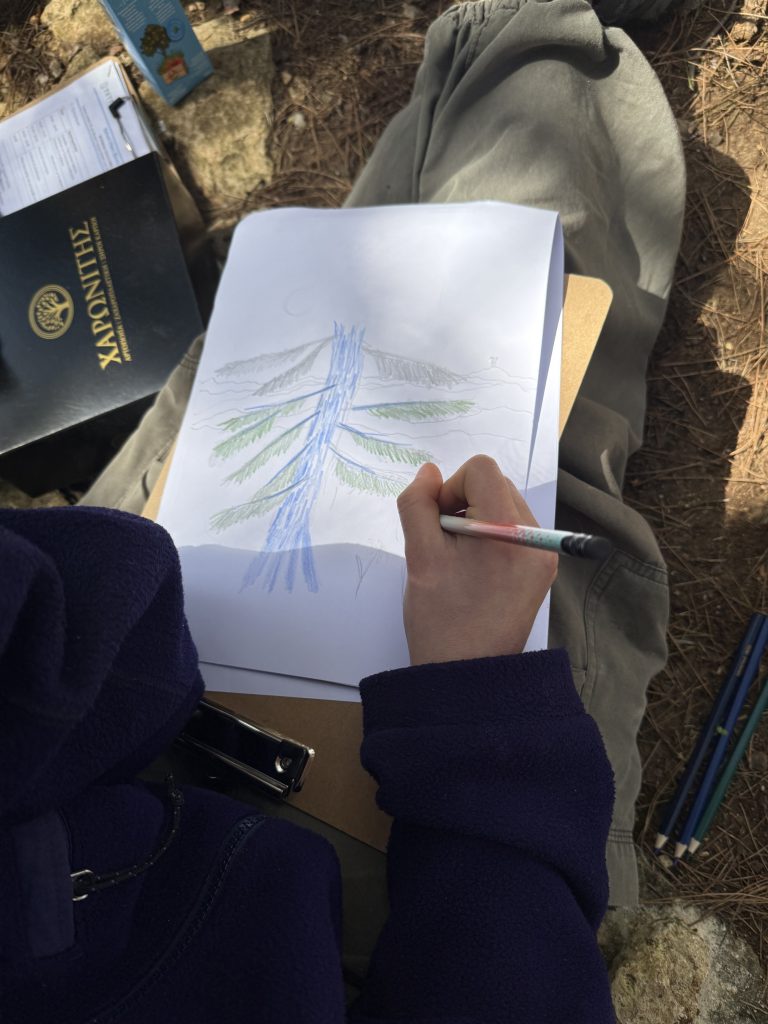
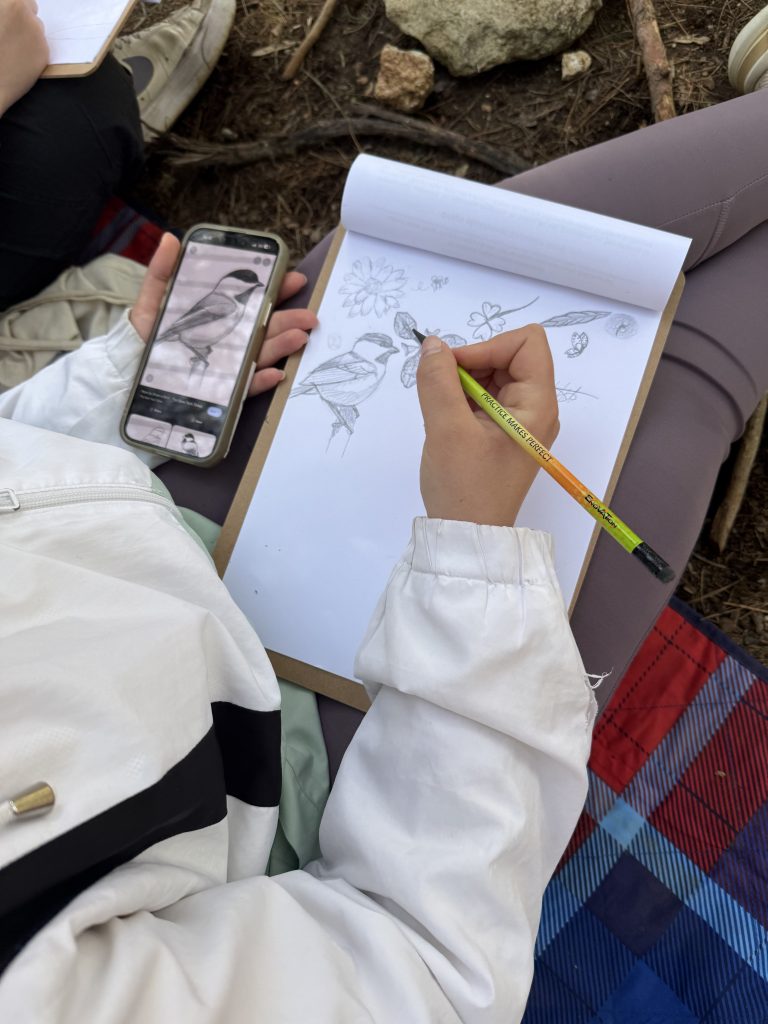
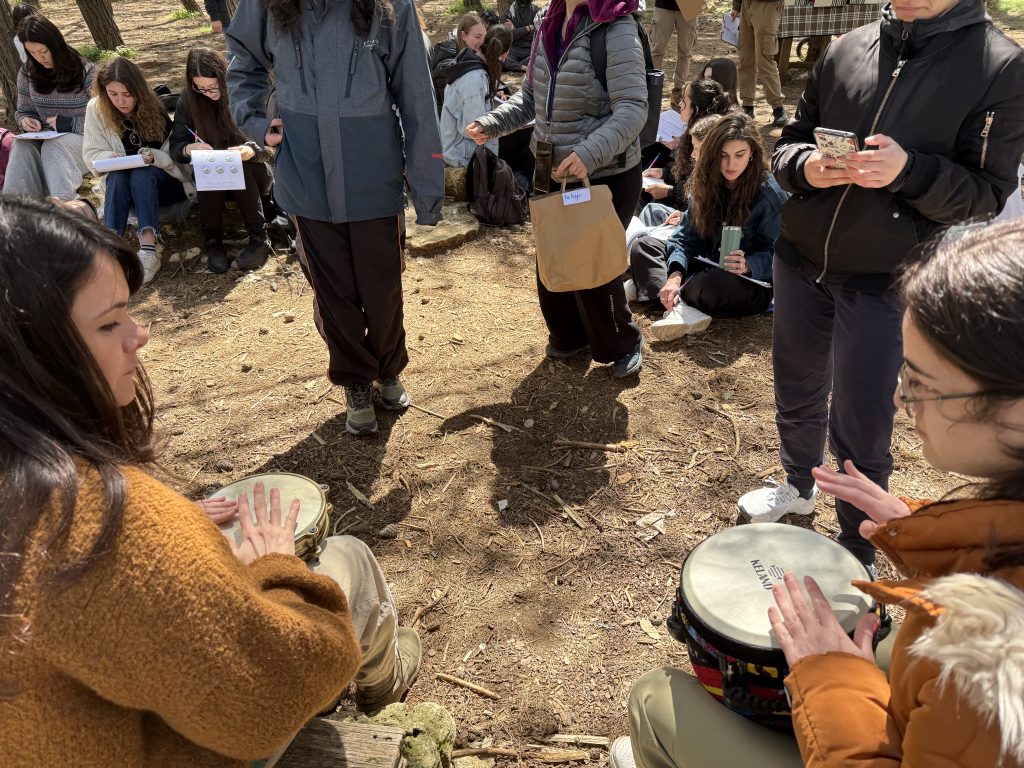
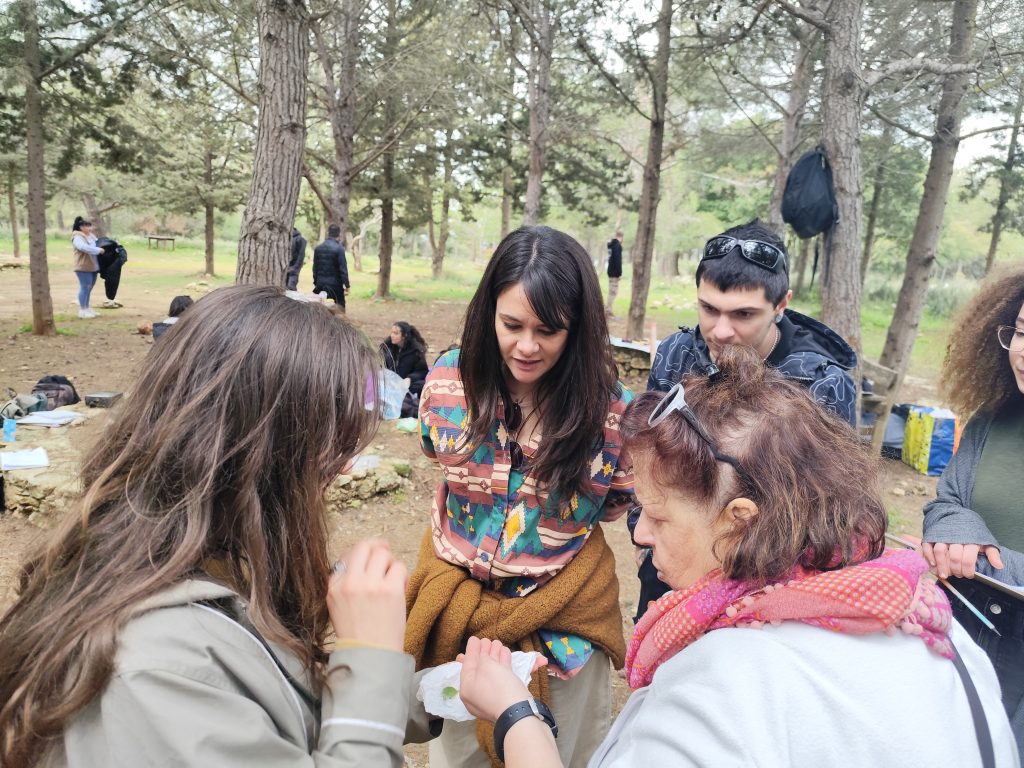
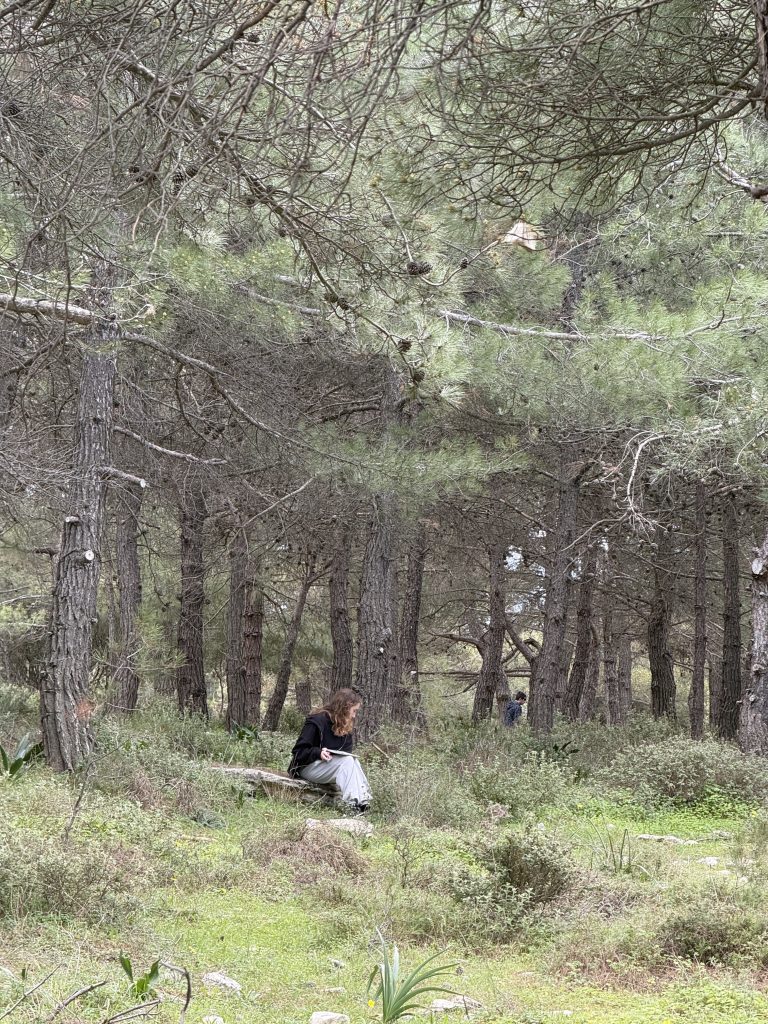
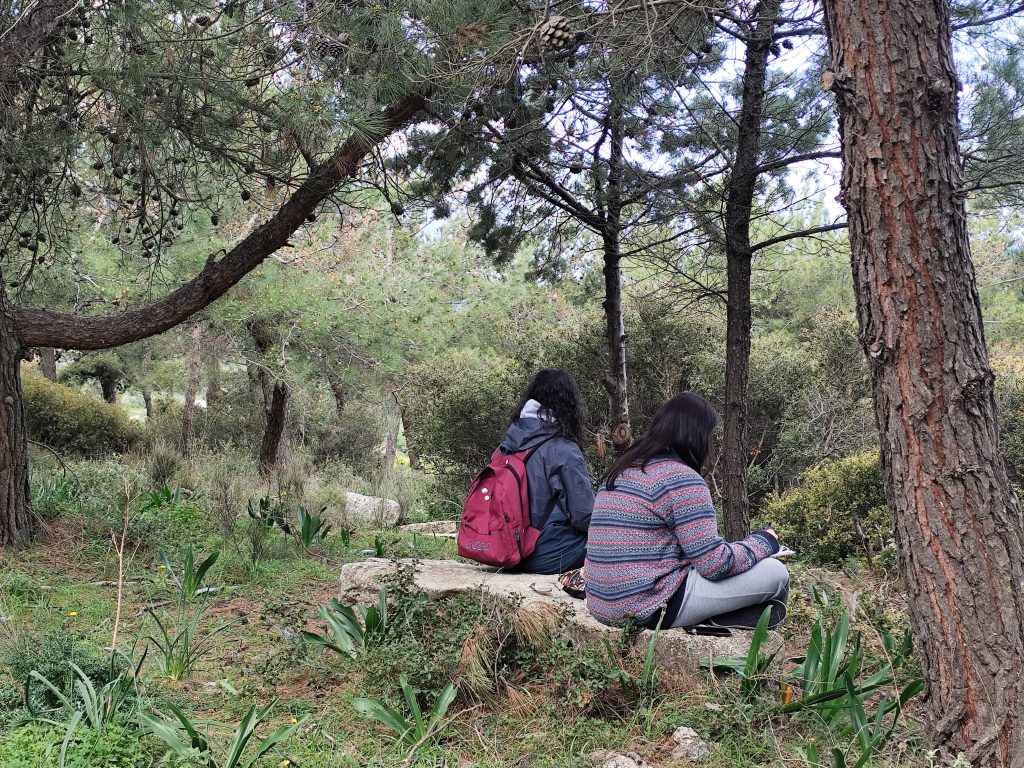
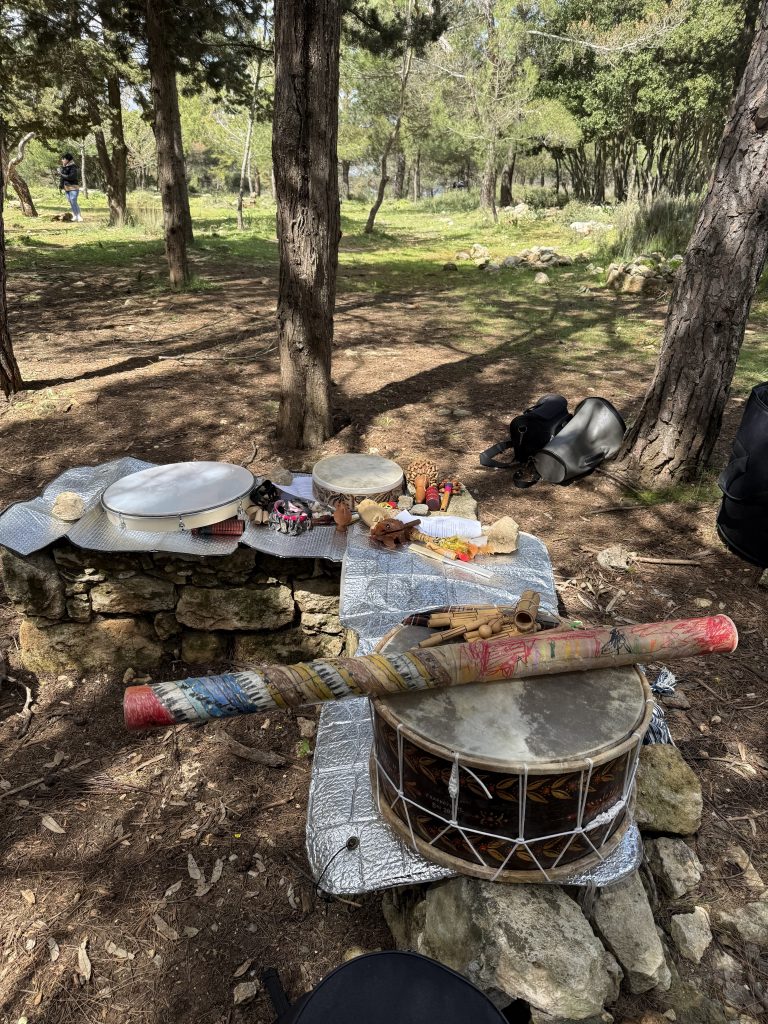
Regrouping, the participants identified species with expert guidance and explored the ecological relationships between them. The experience then shifted into sound: live musical improvisations drew on the sights and textures of the forest, followed by participants creating their own rhythms using natural materials — wood, stones, and found objects. The workshop closed with creative reflection through drawing.
Connecting people with nature through experience
Feedback from participants highlighted the deep, multifaceted connection between music and nature as a central element to their experience. The hands-on, sensory approach — from live musical performance to crafting sounds from natural materials — was particularly well-received, evoking feelings of relaxation, harmony, and collective engagement. Participants also valued the direct contact with the natural environment and the scientific input from experts, noting the broader importance of such initiatives for environmental awareness and a deeper personal connection with nature.
You can read the full workshop summary here. Feel free to recreate the workshop and share your results with us.
This model is a powerful reminder that combining science, art, and direct experience can transform how we relate to the natural world — and a vivid demonstration of what Horizon Europe can achieve across boarders.
Find a selection of pictures here: