The project showcases its work on biodiversity monitoring and taxonomic capacity at Europe’s largest citizen science event, held from 3 to 6 March in Oulu, Finland
TETTRIs was well represented at the European Citizen Science Conference 2026, held in Oulu, Finland, where the project explored how citizen science can strengthen biodiversity monitoring and taxonomic knowledge.
The European Citizen Science Association (ECSA) is a network of projects, organisations, and institutions across Europe working in citizen science. Its conference, held every two years, continues to grow in both scale and impact. The 2026 edition was the largest to date, attracting 650 participants. The host city, Oulu, is this year’s European City of Culture.
Exploring how citizen science is shaping the future of biodiversity monitoring
During the conference, several members of the TETTRIs community contributed with presentations and sessions:
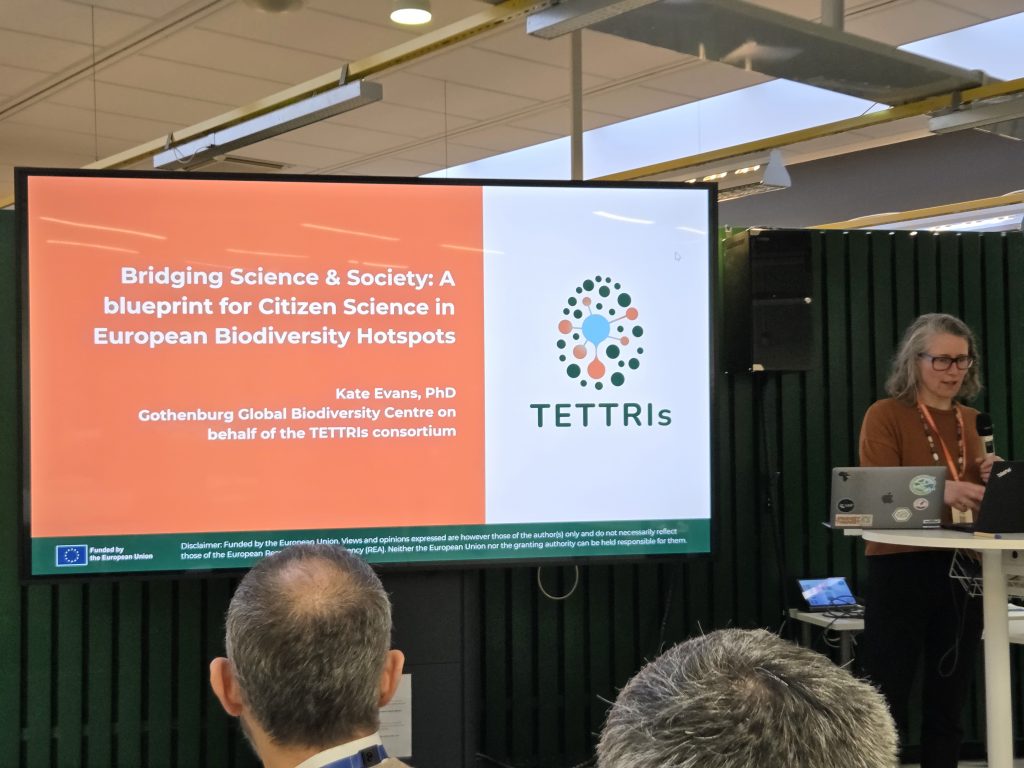
Kate Evans (University of Gothenburg) presented the TETTRIs #Blueprint for building taxonomic capacity.
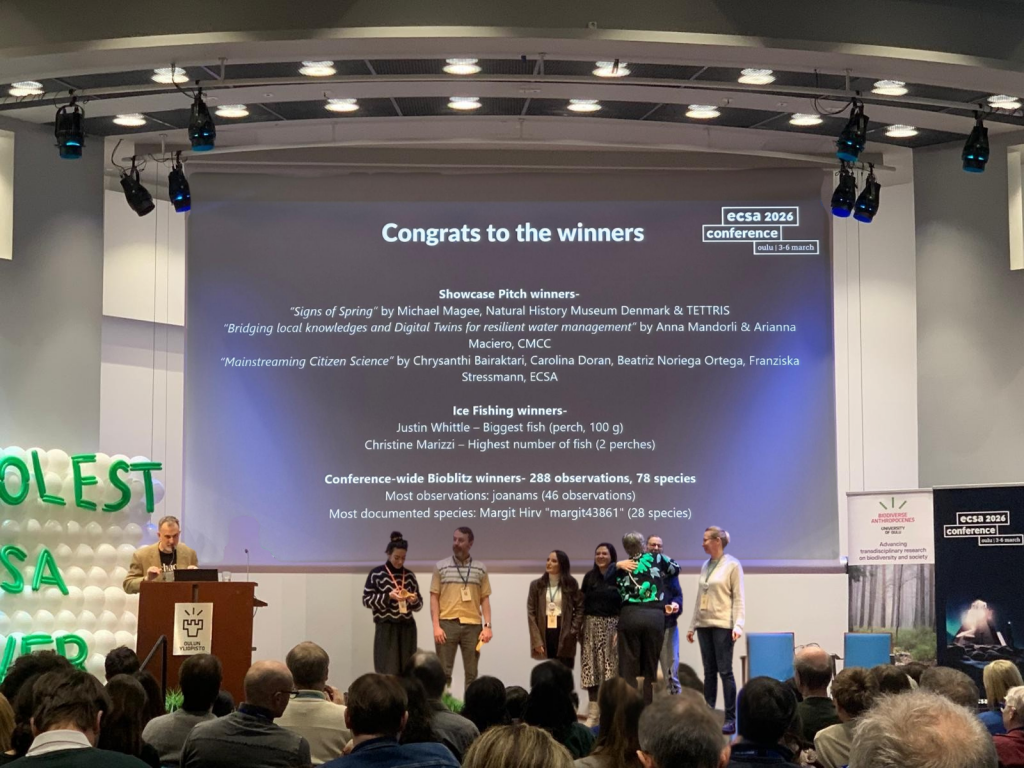
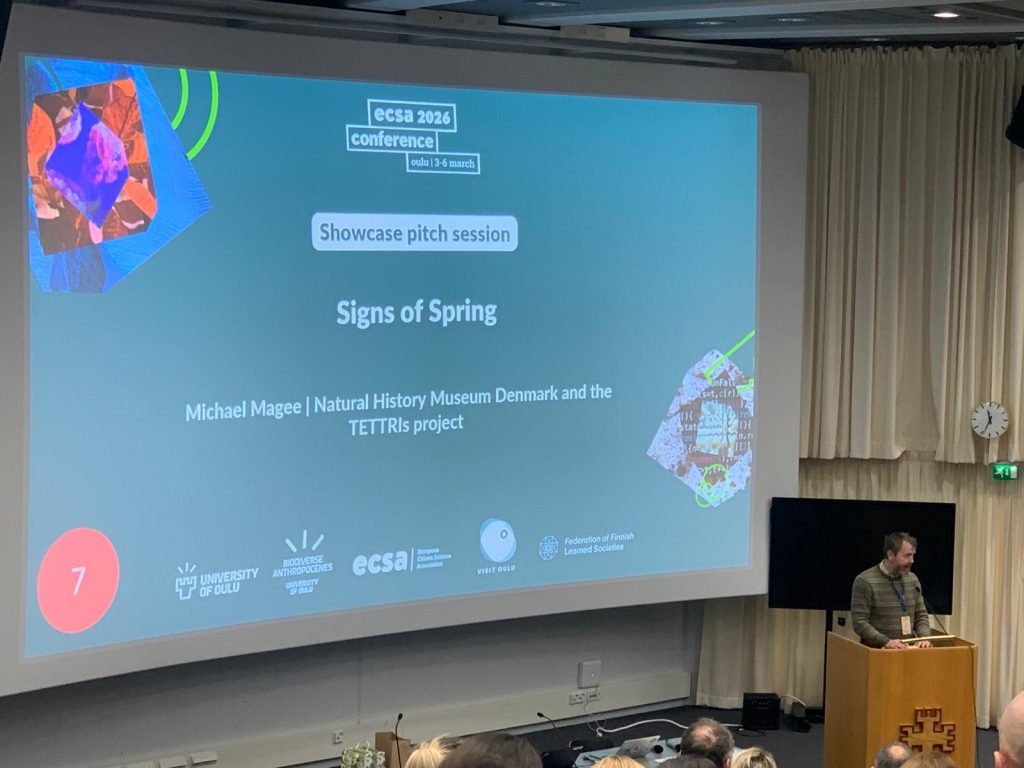
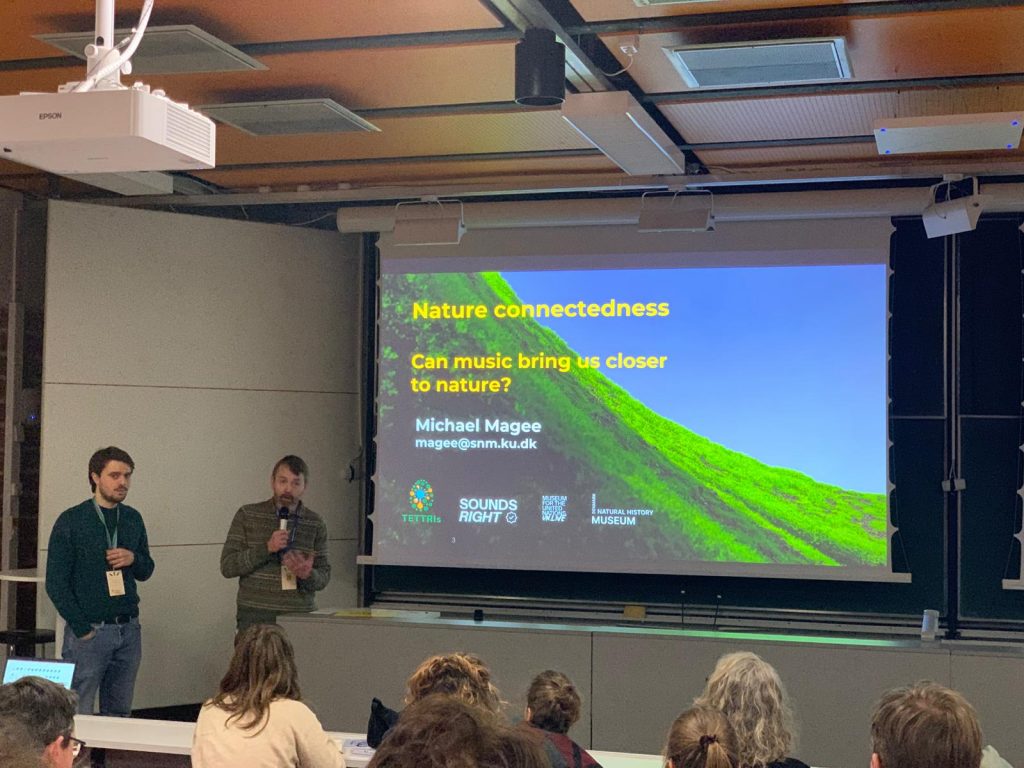
Michael Magee (Natural History Museum Denmark) and Leonardo Veronesi (ECSA – European Citizen Science Association) led two sessions featuring 11 presentations focused on engaging “hard-to-reach” communities. They also shared new participation models developed within TETTRIs. In addition, Michael Magee received the Best Showcase Pitch award for his three-minute presentation of the Signs of Spring project, during which he read a poem he wrote for the project.
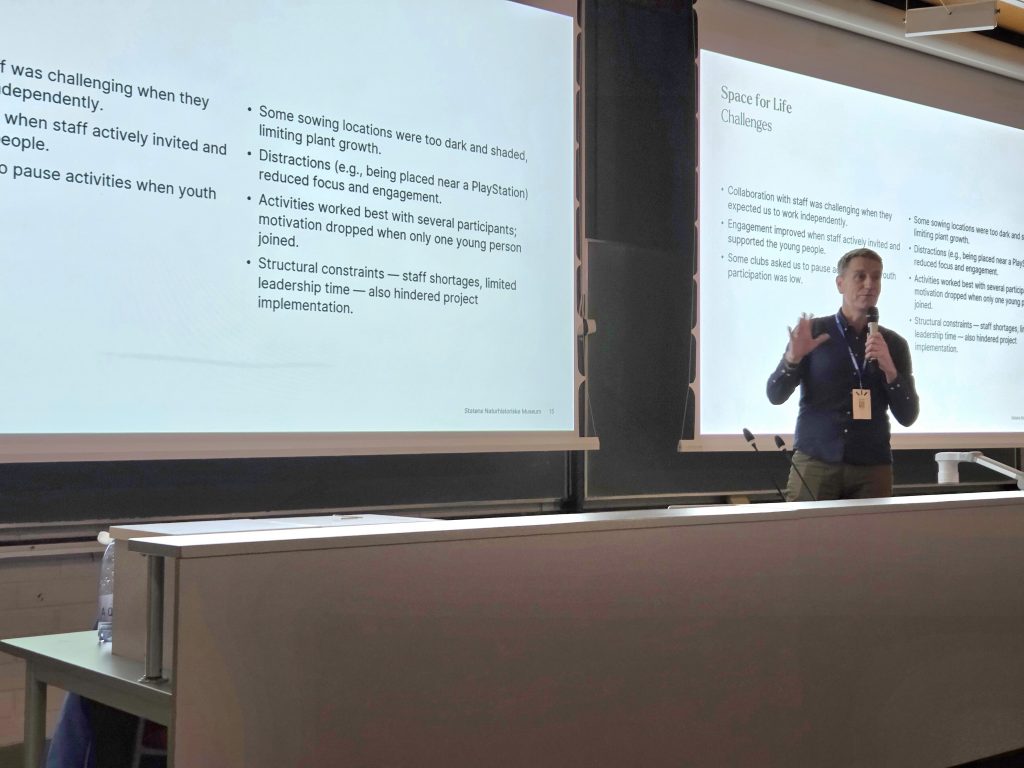
Anders P. Tøttrup (Natural History Museum Denmark) contributed to a session on the project Plads til Liv, which supports young people in transforming school grounds into greener spaces. He also participated in the “Blue Citizen Science” session with a presentation titled “Blue Citizen Science in Action: Lessons from Danish eDNA Projects for Participatory Marine Monitoring.”
Daniel Larsen (Natural History Museum Denmark) presented Denmark’s biodiversity platform arter.dk, highlighting the essential role of expert validation in ensuring data quality.
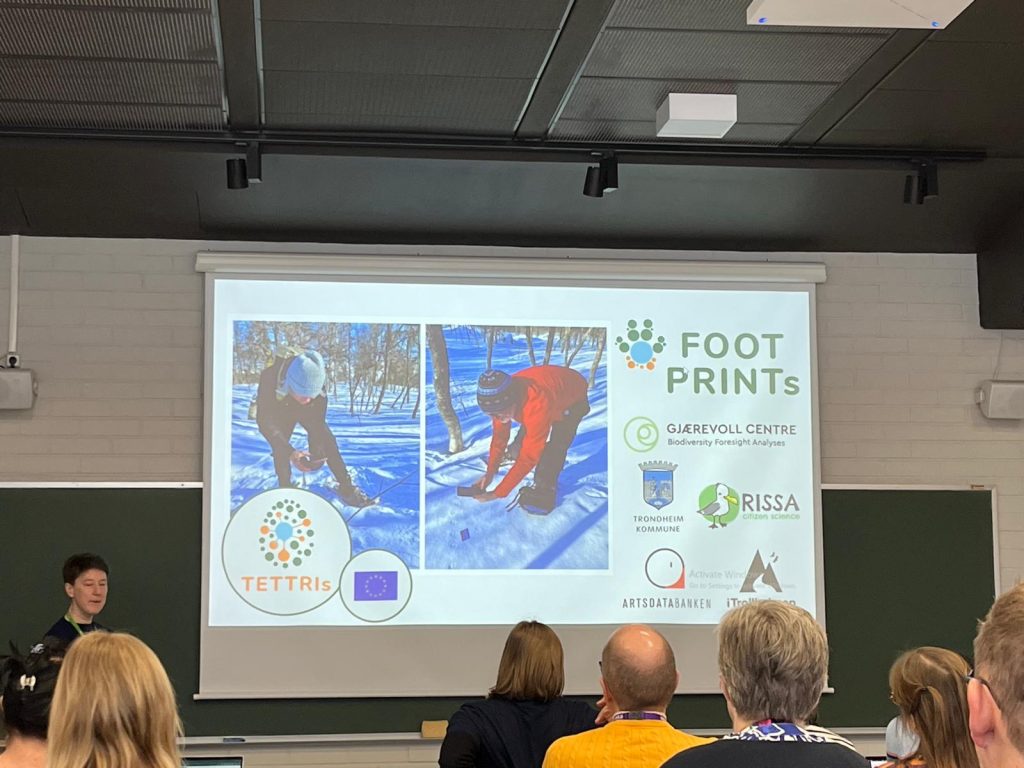
Caitlin Mandeville (Norwegian University of Science and Technology), from the TETTRIs Satellite project FOOTPRINTS, gave a talk on how citizen scientists can identify animals from pictures of tracks left in the snow in Norway.
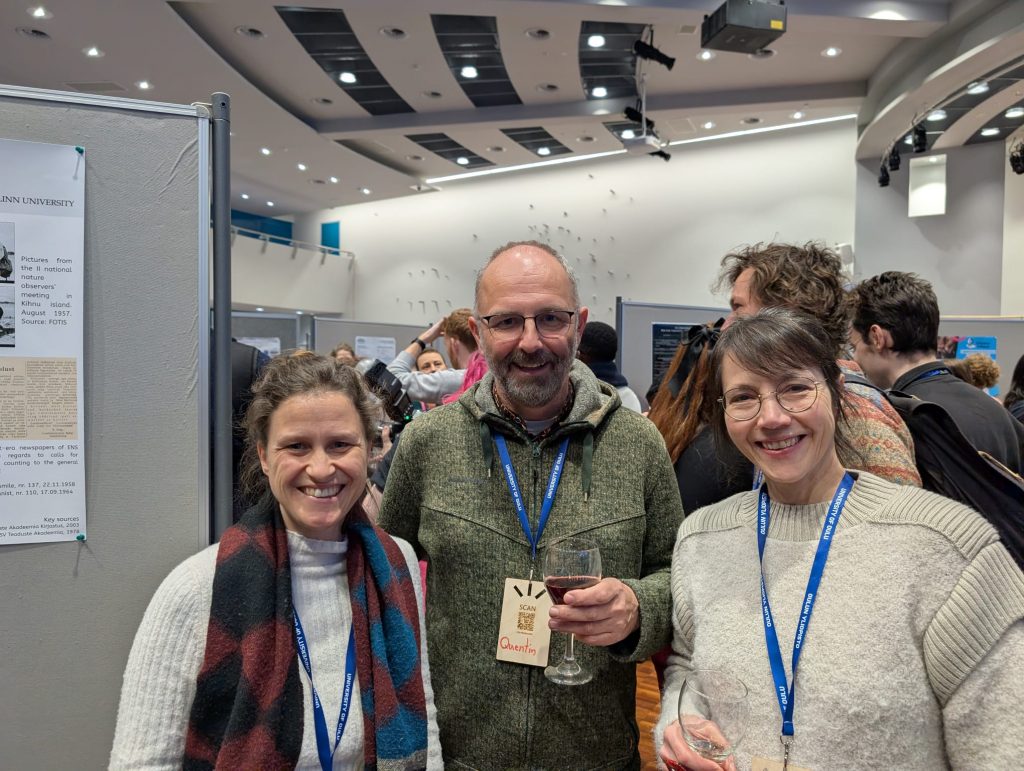
Find a selection of pictures here:
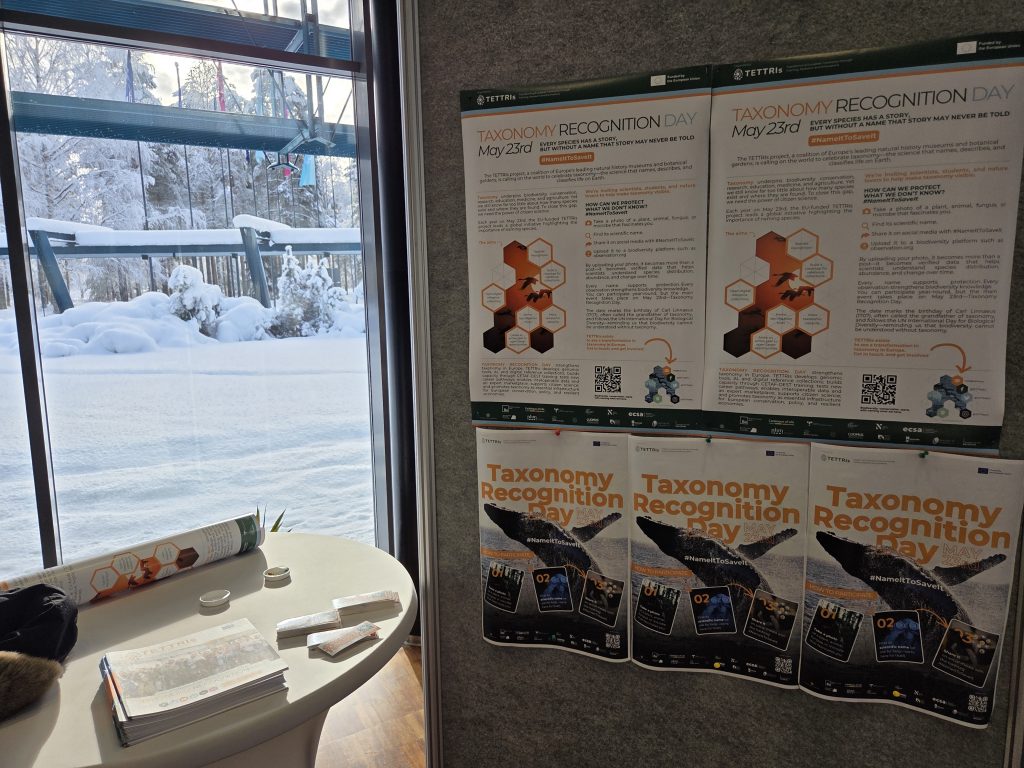
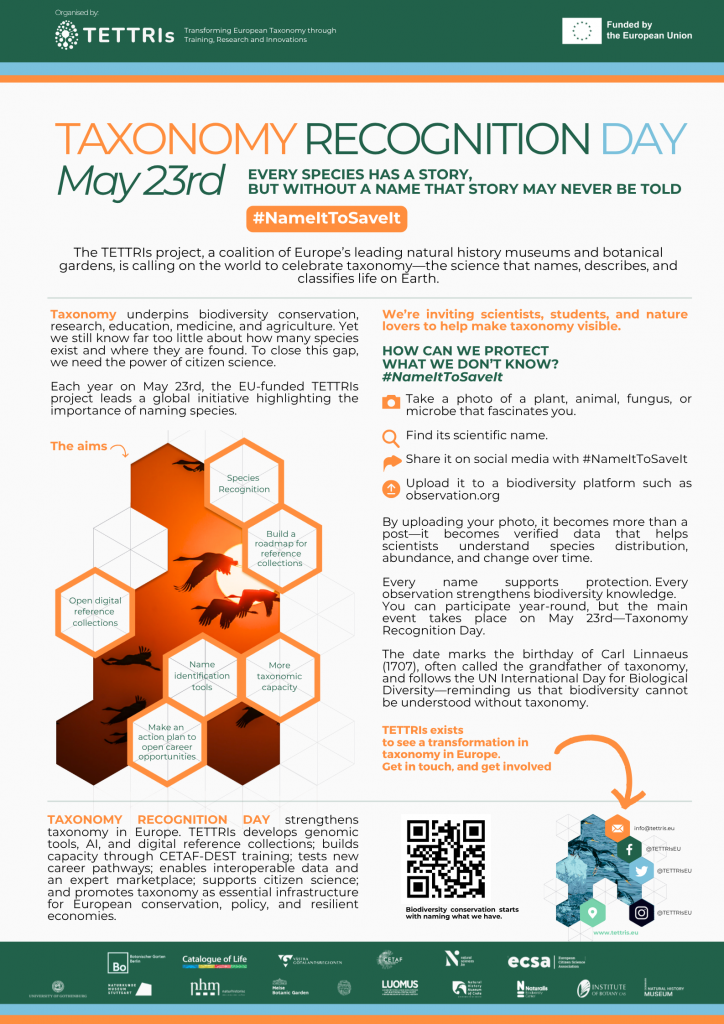
The team also presented a poster on the TETTRIs project’s annual call to action, Taxonomy Recognition Day, which received a very enthusiastic response from participants.
A key takeaway from the conference was that citizen science in Europe is on the verge of becoming mainstream, particularly in the field of biodiversity monitoring. Almost every EU country now has a programme or platform where citizens can upload biodiversity observations.
Beyond the conference itself, Oulu provided a memorable setting. The team experienced Finland’s renowned sauna culture, including a refreshing dip in an ice-cold river, an invigorating complement to an intense and inspiring week.