
How can biodiversity and taxonomy contribute to sustainable economic models and business decision-making? This question was at the centre of the panel “Taxonomy meets Sustainable Growth” during the TETTRIs Final Event in Brussels.
Moderated by Edwin van Huis, President of CETAF, the discussion brought together speakers including Lars Dinesen (coordinator of IPBES Denmark), Marialuisa Tamborra (senior expert in biodiversity and ecosystem assessment at the European Commission’s Directorate-General for Environment DG ENV), Wijnand Broer (Programme Manager at the Partnership for Biodiversity Accounting Financials PBAF), Faiza Oulahsen (Director of Sustainability Advisory at KPMG Netherlands), Emma Woods (Director of Policy and Partnerships at the Natural History Museum London), and Evelyn Underwood (biodiversity and ecosystems policy lead at the Institute for European Environmental Policy) to explore how biodiversity data is increasingly becoming relevant for finance, environmental reporting, and policy implementation.
Speakers discussed topics including biodiversity accounting, nature credits, ecosystem services, biodiversity indicators, and the role of taxonomic data in assessing environmental impacts and dependencies.
During the keynote speech, Lars Dinesen stressed the need to move beyond discussion and accelerate the use of biodiversity knowledge in decision-making processes. He emphasised that the private sector cannot wait for “perfect data”.
“We need to bridge the gap between biodiversity data and action and create an enabling environment that creates incentives.”
He also warned that biodiversity remains a major “blind spot” in finance and decision-making, pointing out that barriers are “as much social as they are technical” and that developing a shared vocabulary across sectors will be essential for future progress.annot wait for perfect data. We need to bridge the gap between biodiversity data and action.”
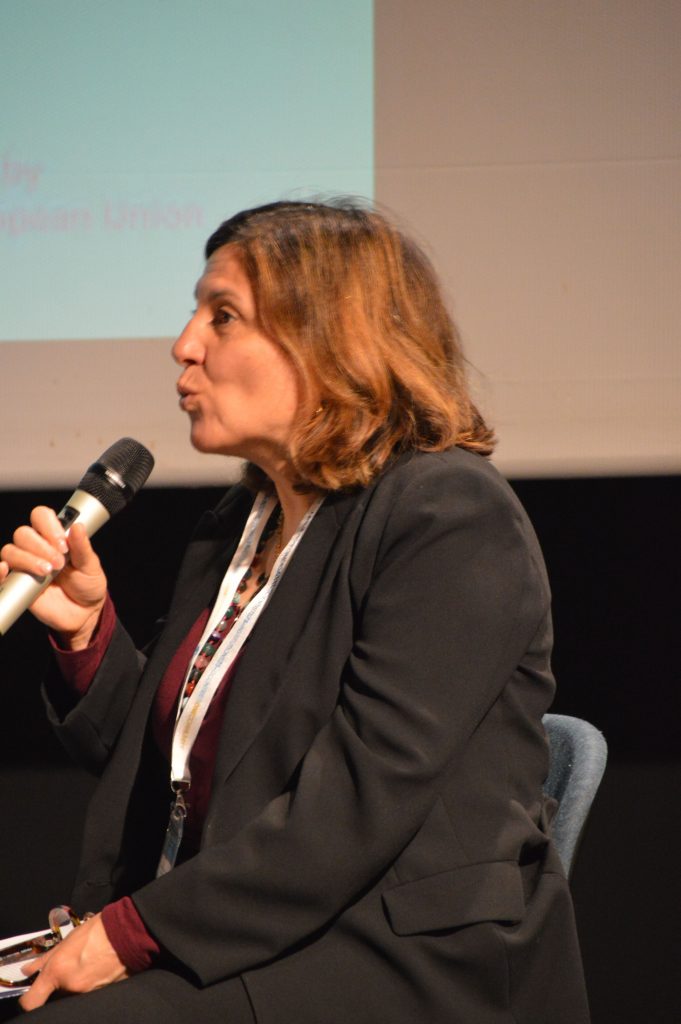
Marialuisa Tamborra
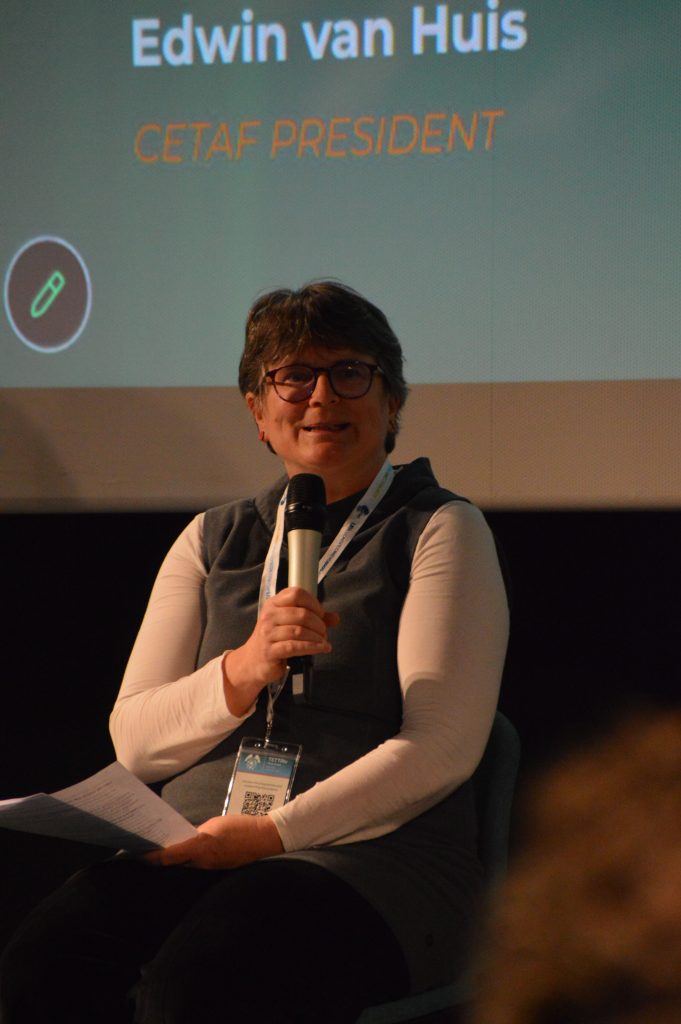
Evelyn Underwood
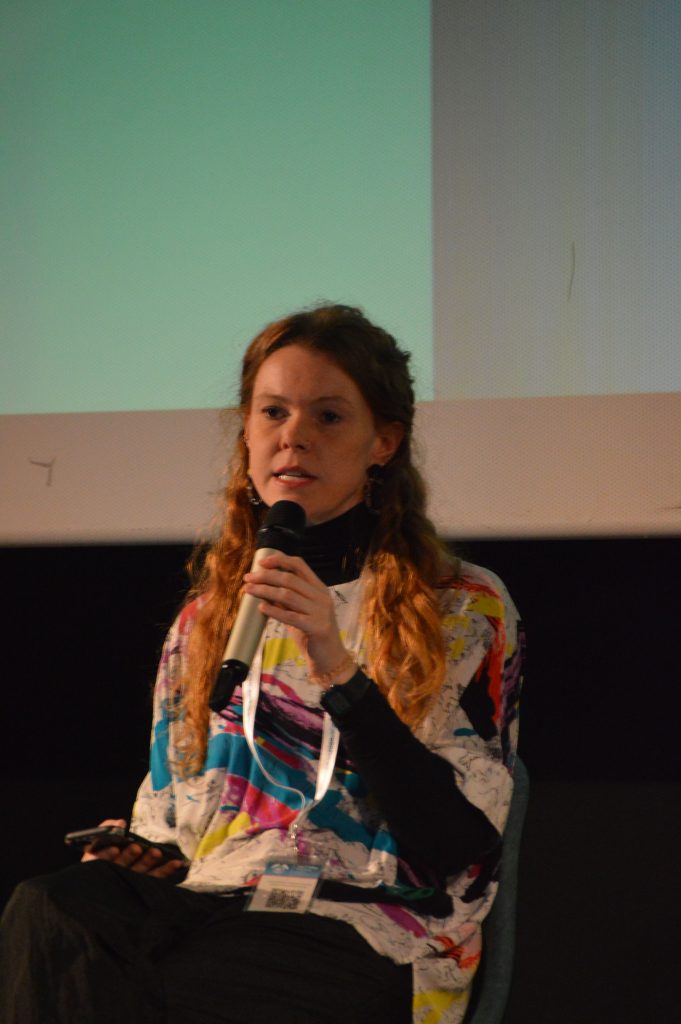
Emma Woods
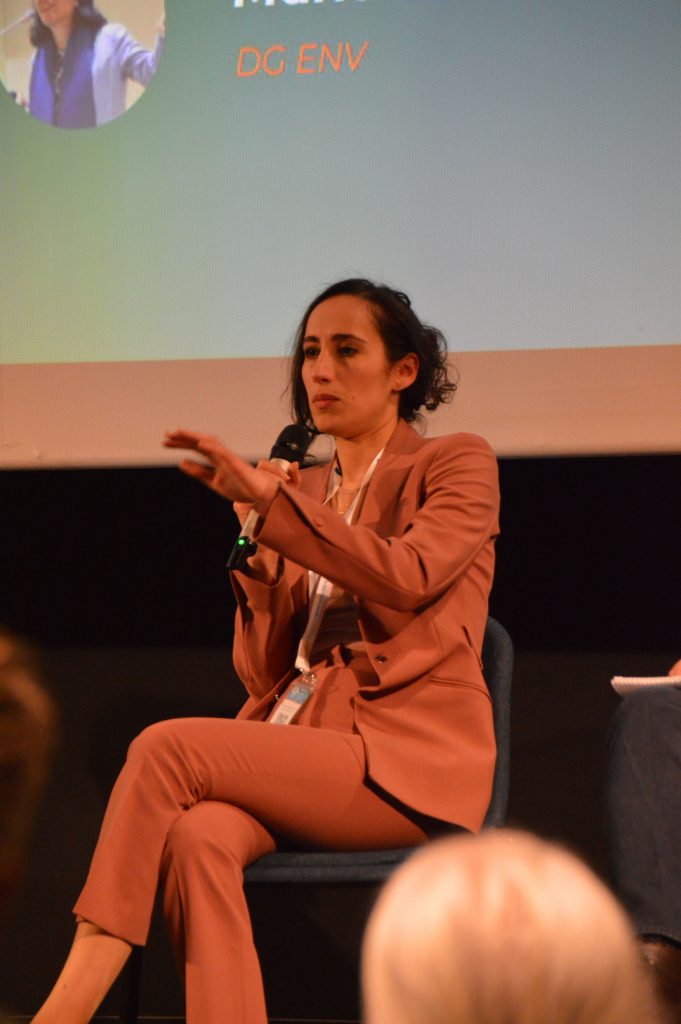
Faiza Oulahsen
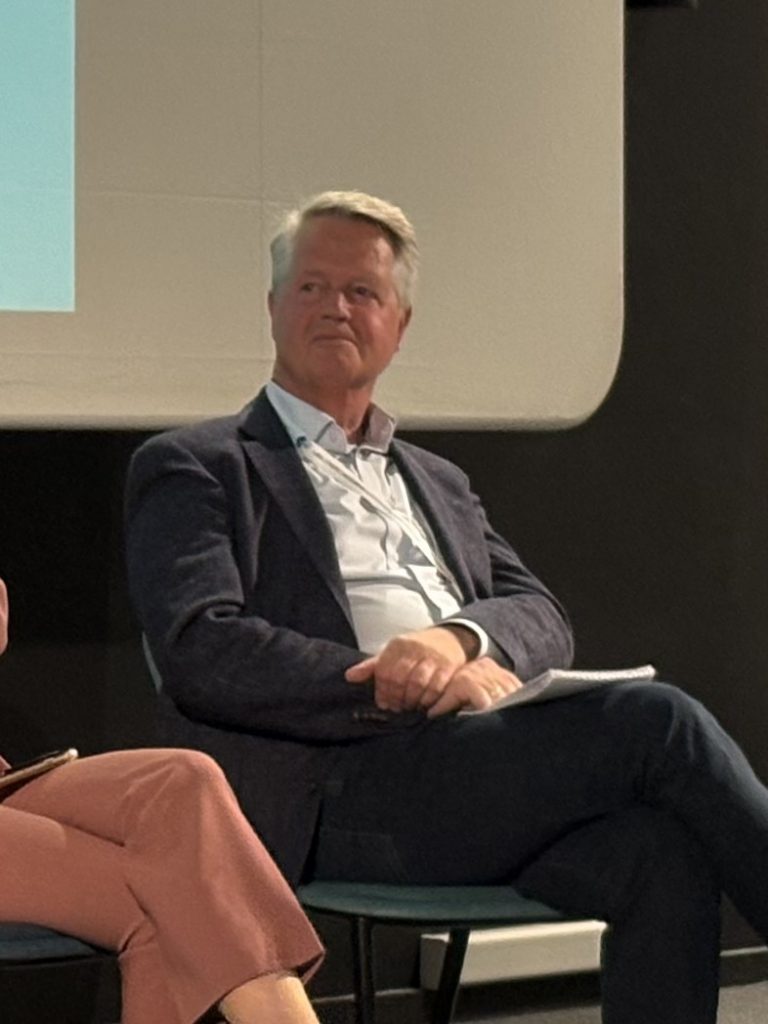
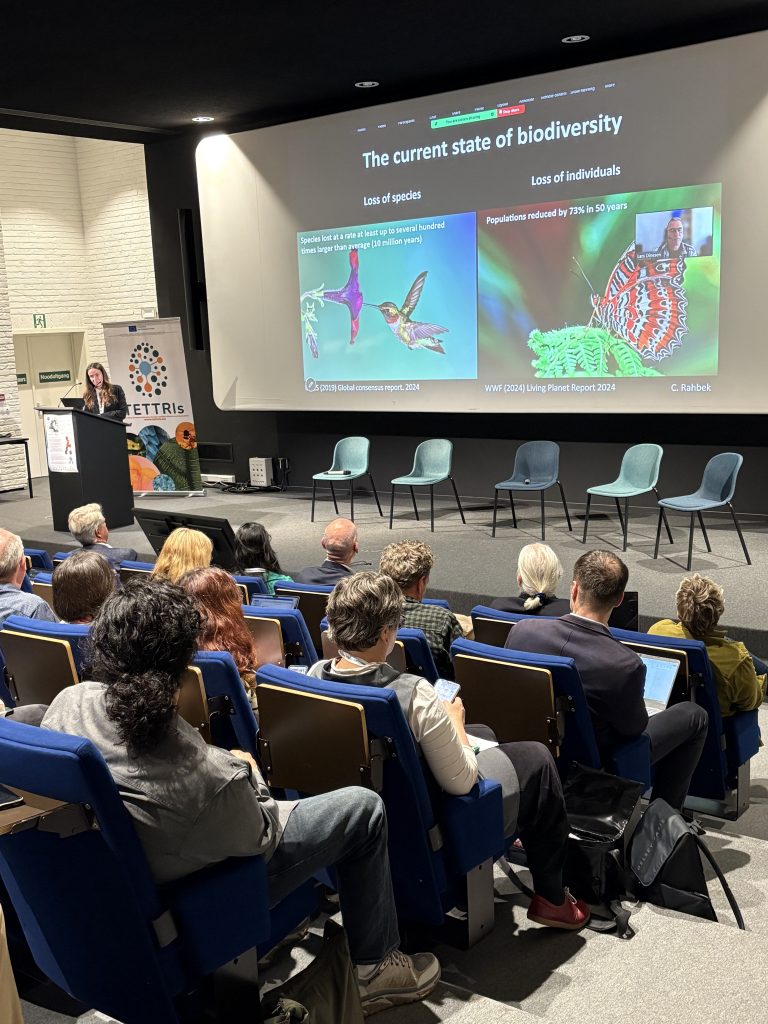
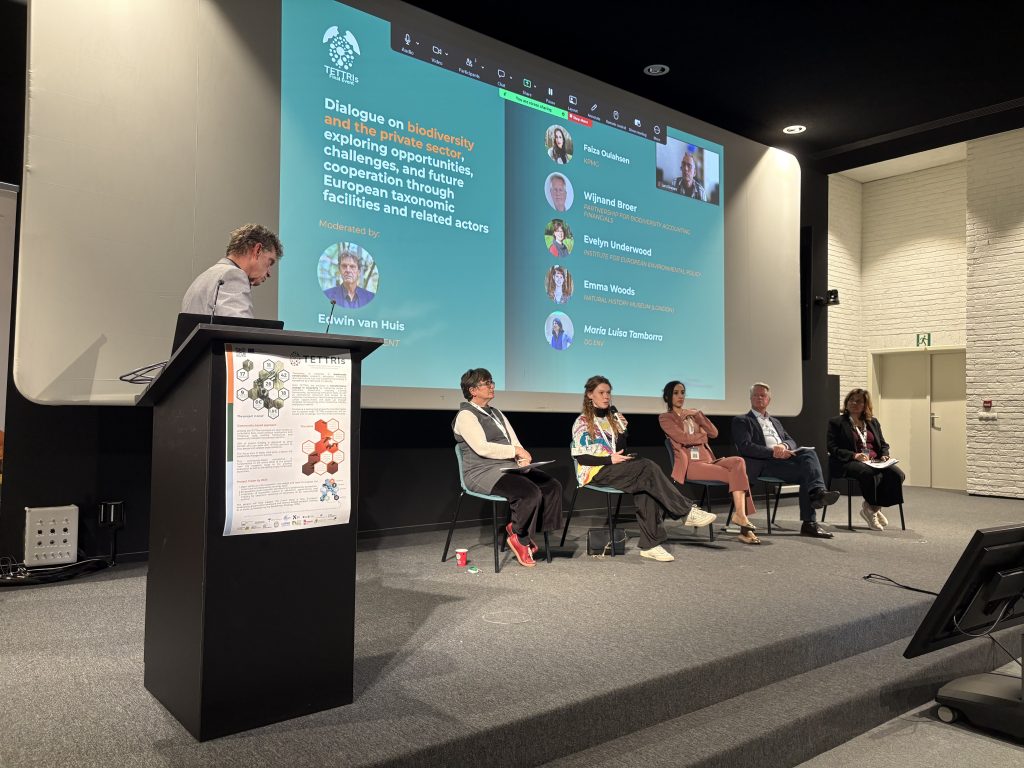
Several speakers highlighted that biodiversity remains a major “blind spot” in many financial and policy systems, despite increasing awareness of environmental risks and dependencies.
Marialuisa Tamborra discussed ongoing European discussions around nature credits and biodiversity investment mechanisms. Based on her experience overseeing the development of methodologies, indicators, and tools supporting biodiversity conservation and restoration policies in the EU and beyond, she underlined the growing investment gap in biodiversity protection, noting that public funding alone will not be sufficient to meet the targets established under the Global Biodiversity Framework (GBF). Tamborra focused on the importance of developing reliable biodiversity data and evidence-based mechanisms to support emerging biodiversity investment models.
She also spoke about the need to move from policy design to implementation, particularly regarding initiatives such as the EU Pollinators Delegated Act, while exploring how businesses can be better incentivised to support biodiversity action.
Meanwhile, Wijnand Broer, whose work focuses on biodiversity accounting, sustainable finance, and biodiversity footprinting within the financial sector, emphasised the importance of developing practical biodiversity measurement protocols capable of supporting both financial and policy decision-making. He remarked the growing need for accurate tools focused on biodiversity footprinting, which require large amounts of data for modelling, particularly in areas such as marine ecosystems where important data gaps still exist.
Broer also explained that current economic systems often fail to account for the value of ecosystem services, warning that biodiversity protection will remain difficult “as long as ecosystem services are not paid for.”
The panel also explored the role of museums, collections, and scientific institutions in supporting the private sector with reliable biodiversity knowledge. Faiza Oulahsen outlined the growing need for stronger collaboration between scientists and businesses. Drawing on her previous experience at Greenpeace Netherlands, where she led climate and energy campaigns for more than a decade, she warned about the urgency of accelerating biodiversity action.
“We don’t have time — shock therapy is needed.”
Oulahsen also noted that while companies and consultancies understand the corporate world and its risk-management approaches, scientific institutions such as Naturalis hold critical biodiversity knowledge that the private sector often lacks. She called for stronger partnerships between scientists and businesses.
During the discussion, Emma Woods pointed out the importance of robust scientific data in supporting credible corporate biodiversity commitments, while recognising that biodiversity is inevitably complex and data is not perfect.
As the Museum’s first Director of Policy, she established and now leads the policy unit, working with scientists, policymakers and private-sector partners to advance nature-positive policy. Her work includes contributions to global biodiversity discussions such as 30by30 and climate–nature integration at COP events. She also remarked the importance of stronger corporate engagement with scientific data, and the mutual benefits that collaboration with the private sector can bring back to the scientific community.
Finally, Evelyn Underwood, whose work focuses on integrating biodiversity protection and restoration into EU policies and funding mechanisms, highlighted the growing importance of taxonomic knowledge for implementing European biodiversity legislation and restoration targets. She explained that new monitoring tools are enabling the generation of large amounts of biodiversity data, but warned that reliable indicators and verified datasets remain essential for implementing biodiversity policies effectively.
Underwood also referred to examples linked to the Common Agricultural Policy (CAP), highlighting the increasing focus on result-based approaches and the need for better biodiversity indicators to support funding and implementation processes.
Participants agreed that taxonomy and biodiversity knowledge are becoming increasingly important not only for conservation, but also for sustainable finance, risk management, and long-term policy planning.
The discussion reflected a broader message emerging throughout the TETTRIs Final Event: taxonomy is moving beyond its traditional scientific boundaries and becoming increasingly relevant for society, policy, and economic transformation in Europe.
More information, including the full programme and detailed speaker profiles, is available here.