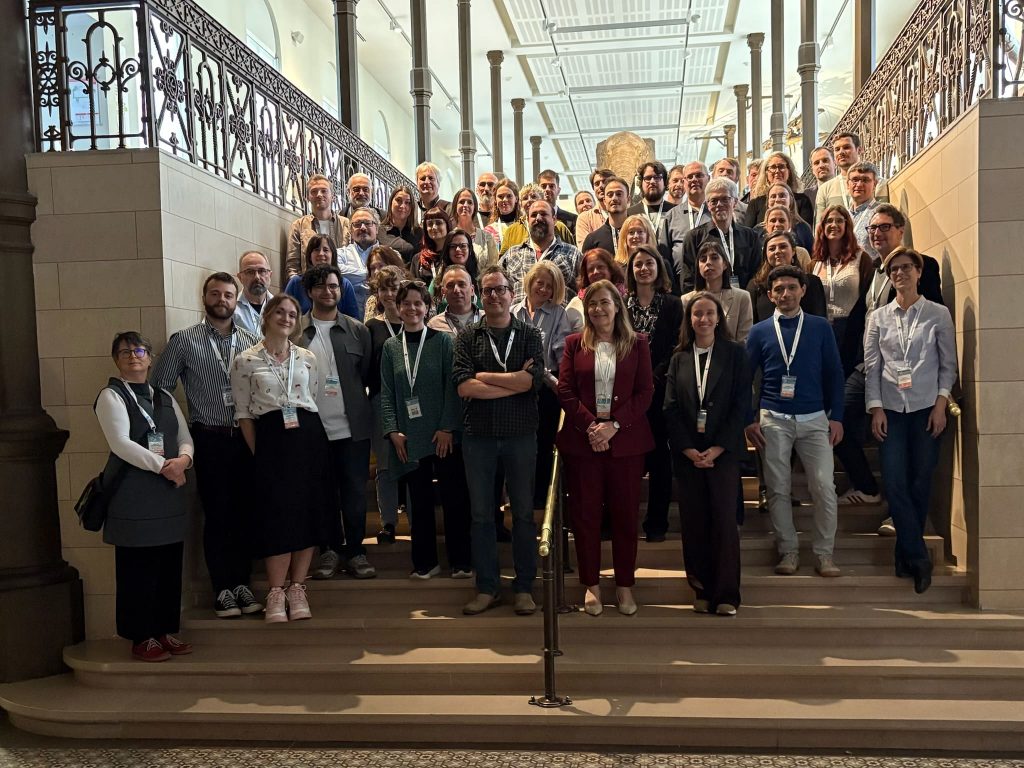
The final event of TETTRIs took place from 27 to 29 April 2026 at the Royal Belgian Institute of Natural Sciences, bringing together researchers, policymakers, research infrastructures, and biodiversity experts from across Europe to reflect on the project’s achievements and future perspectives for taxonomy.
Over three days, the event showcased how taxonomy is evolving through innovation, digital infrastructures, training, and policy engagement, while highlighting the growing relevance of taxonomic knowledge in addressing biodiversity loss, public health challenges, and sustainable development.
Coordinated by CETAF and the Royal Belgian Institute of Natural Sciences, TETTRIs has focused on strengthening taxonomic capacity in Europe through collaboration, technological innovation, and community-building.
The programme combined scientific sessions, strategic discussions, and policy-oriented panels, demonstrating how taxonomy increasingly contributes far beyond biodiversity research alone.
The event was organised by CETAF and the Royal Belgian Institute of Natural Sciences.
Innovation and capacity-building at the core of taxonomy
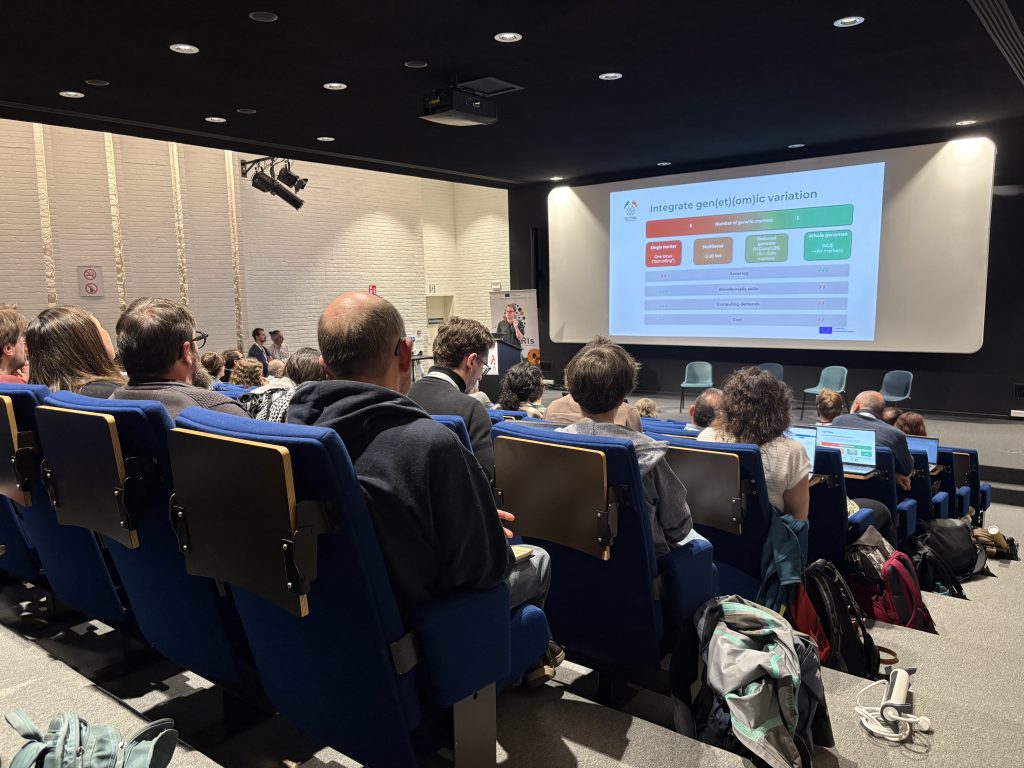
The first day focused on the scientific and technical achievements developed throughout the project. Sessions explored how artificial intelligence, genomics, digital infrastructures, and data interoperability are transforming taxonomic research and species identification.
The programme also included the presentation of the TETTRIs Blueprint for building taxonomic capacity, introduced by Kate Evans (UGOT). The Blueprint provides strategic guidance and recommendations for strengthening taxonomic expertise and training across Europe, while the accompanying TETTRIs Cookbook compiles practical “recipes” and examples developed throughout the project to support capacity-building initiatives within the taxonomic community.
Participants discussed the growing role of AI-based tools, including image and sound recognition technologies, and how these developments can support biodiversity monitoring, citizen science, and research workflows. Other sessions highlighted advances in reference collections, genomic applications, and digital services such as the Taxonomic Resolution Engine and the TETTRIs e-services Marketplace.
Several project partners also presented digital tools and training infrastructures developed throughout TETTRIs to improve access to taxonomic expertise, collections, and knowledge across Europe.
Iasmi Stathi (NHMC-UOC) presented the TETTRIs e-learning platform, designed to combine online theoretical training with practical face-to-face courses. The platform, developed through the project and cascade funding initiatives, will remain openly accessible after the end of TETTRIs, supporting future training opportunities for the taxonomic community.
Meanwhile, Wouter Addink (Naturalis) highlighted the role of the TETTRIs Marketplace in connecting biodiversity projects and research infrastructures with taxonomic expertise across Europe, facilitating access to specialists needed for specimen validation, biodiversity monitoring, and collection management.
Mathias Dillen (BG Meise) also presented the Taxonomic Resolution Engine (TRE), a linked open data tool designed to improve access to and interoperability between taxonomic names and type specimen records distributed across institutions worldwide. According to Dillen, making these links explicit and interoperable is essential for harmonising taxonomic knowledge and improving access to critical biodiversity evidence.
Training and capacity-building also played a central role throughout the event, reflecting one of the project’s main objectives: strengthening expertise and supporting the next generation of taxonomists across Europe.
Taxonomy at the intersection of science, policy, and society
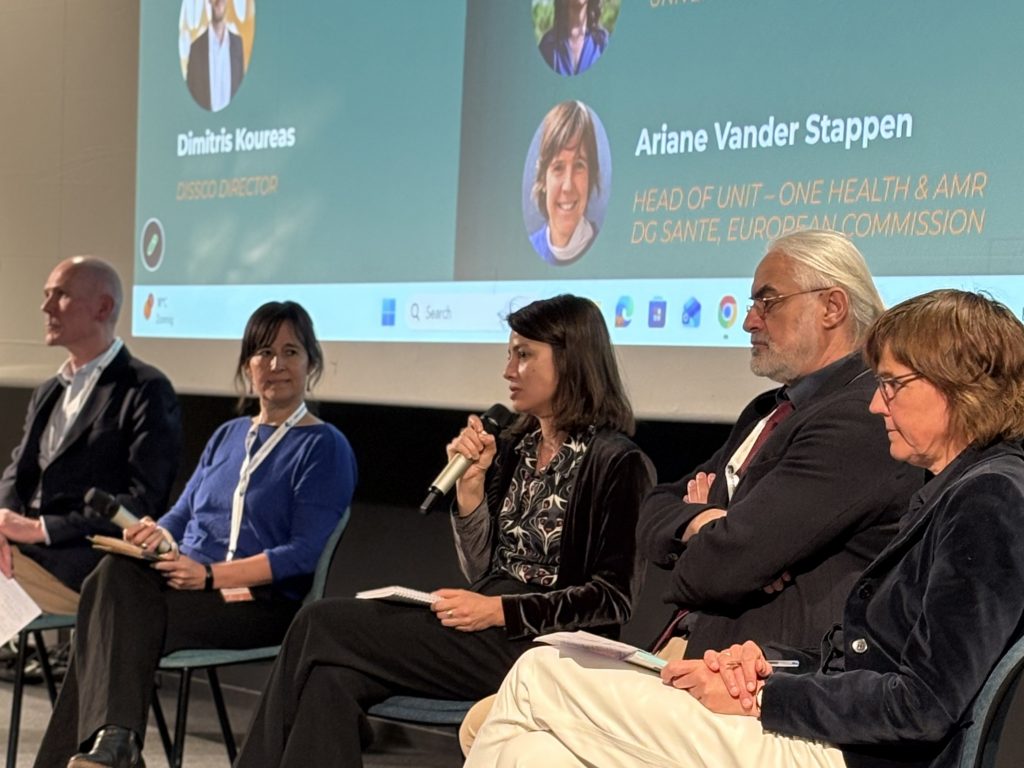
The first panel, “Taxonomy meets One Health“, explored how taxonomy contributes to the One Health approach by supporting disease prevention, ecosystem resilience, food system stability, and environmental monitoring. Discussions highlighted the importance of interdisciplinary collaboration, FAIR and interoperable biodiversity data, and stronger links between taxonomy, public health, and policymaking.
Representatives from the European Commission’s Directorate-General for Health and Food Safety (DG SANTE), research infrastructures, biodiversity organisations, and scientific institutions discussed how taxonomic knowledge can contribute to early detection systems, climate-health strategies, and more integrated approaches to environmental and public health challenges.
The panel, moderated by Dimitris Koureas, brought together speakers including Ilaria Capua, Ariane Vander Stappen, Christos Arvanitidis, Eleonora De Falcis, Tine Huyse, and Hein Imberechts.
During the keynote speech, Professor Ilaria Capua stressed the importance of rebuilding trust between science and society:
“Citizens are not informed and therefore this is creating a mistrust in science, which is another enormous problem.”
Taxonomy meets sustainable growth
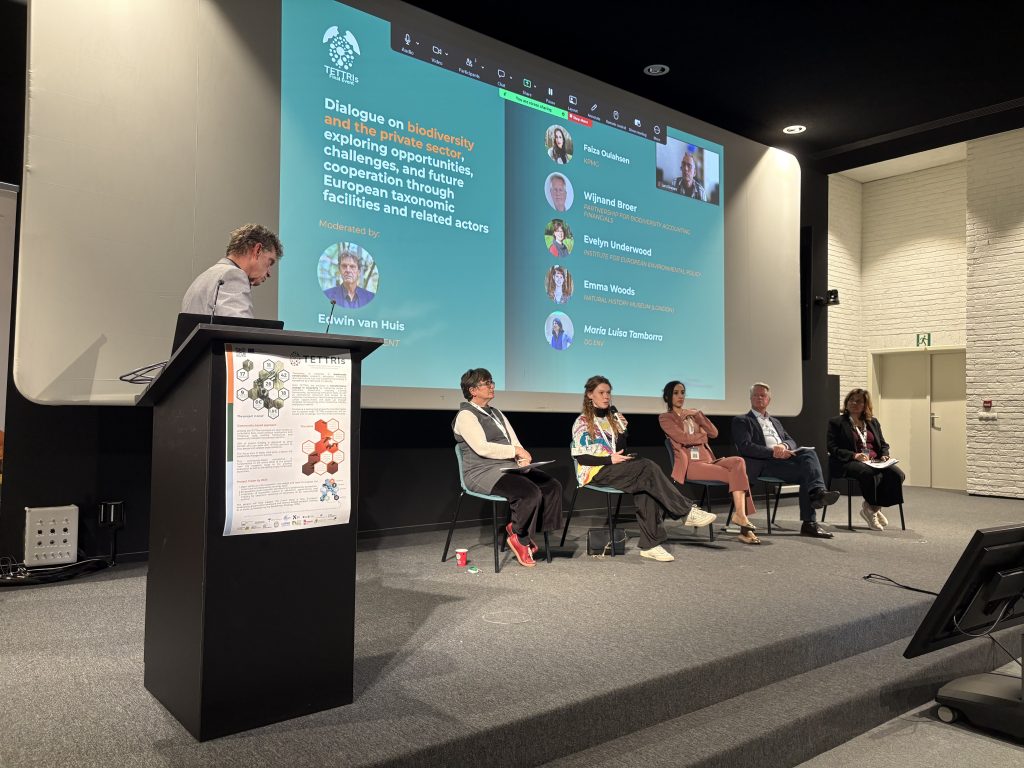
The second panel, “Taxonomy meets Sustainable Growth“, focused on the relationship between biodiversity, finance, and the private sector, examining how taxonomy and biodiversity data can support sustainable economic models, environmental reporting, and evidence-based decision-making.
Speakers from European institutions, research organisations, sustainability consultancies, and the financial sector discussed topics including biodiversity accounting, nature credits, ecosystem services, biodiversity indicators, and the growing need for reliable taxonomic data in policy and business contexts.
Moderated by Edwin van Huis, the panel featured contributions from Lars Dinesen, Marialuisa Tamborra, Wijnand Broer, Faiza Oulahsen, Emma Woods, and Evelyn Underwood.
During the keynote speech, Lars Dinesen highlighted the urgent need to bridge the gap between biodiversity data and action, stressing that the private sector cannot wait for “perfect data” to address its environmental impacts and dependencies.
A recurring message throughout the discussions was that biodiversity data and taxonomy are becoming increasingly important not only for conservation, but also for finance, risk management, and long-term sustainability and public health strategies.
A community strengthened through collaboration
Beyond the scientific and policy discussions, the event also highlighted one of the project’s most significant achievements: strengthening the European taxonomic community.
In interviews conducted during the event, speakers repeatedly emphasised the importance of collaboration, trust, and shared expertise across institutions and countries.
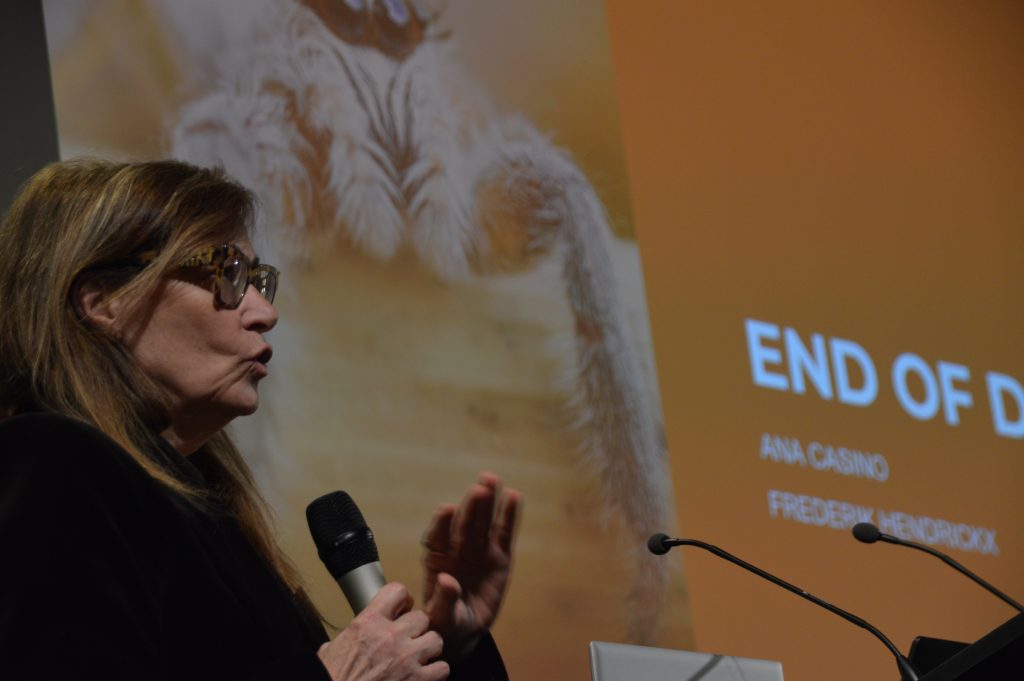
Ana Casino described TETTRIs as a key moment for the community:“TETTRIs came at the right moment to strengthen our community and to really say: ‘Here we are, we can do a lot, we are able to do this.’”
Similarly, Edwin van Huis highlighted how the project helped connect taxonomists across Europe: “Suddenly this community of taxonomists from all these different countries in Europe works together and shares ideas.”
He also stressed that taxonomy is increasingly moving into broader societal discussions: “Understanding the natural world, understanding the world of species, is going to be mainstream.”
Cascade-funded satellite initiatives
The final day also highlighted the broader impact of the TETTRIs ecosystem through presentations from cascade-funded satellite initiatives, showcasing how targeted projects are contributing to strengthening taxonomic expertise, biodiversity monitoring, and data infrastructures across Europe.
Several satellite projects demonstrated how taxonomy can support both scientific research and practical conservation efforts at regional and European scales.
Among them, the ARCADE project focused on revising and validating pollinator collections across Portuguese institutions, helping improve species identification and reference collections for bees, butterflies, and fireflies. The initiative also supported national monitoring and conservation efforts linked to pollinator protection policies.
Reflecting on the project’s impact, Roberto Keller highlighted the importance of collaboration between museums and institutions: “Having updated reference collections and validated species checklists is essential for monitoring pollinators and supporting ecological research.”
The L.U.C.E. project explored the diversity of Italian fireflies, combining taxonomy, genetics, and training activities for early-career researchers. According to Emiliano Mori, the initiative helped reveal one of the highest levels of firefly diversity in Europe while strengthening expertise among young researchers.
“We have shed some light on the firefly diversity of Italy, while training a new generation of researchers who are now sharing this knowledge with others.”
Meanwhile, the TEOSS project focused on developing sound-based approaches for Orthoptera taxonomy and monitoring. Through workshops organised in Spain, Italy, and Greece, the initiative trained more than 100 participants from over 18 European countries in acoustic recording techniques and species identification.
Marta Villasán explained that creating a European sound library is essential for training future AI-based tools capable of identifying species through their acoustic signatures.
Together, these initiatives illustrated how the TETTRIs ecosystem has supported innovation, capacity-building, and cross-border collaboration while helping create new tools and knowledge for biodiversity research and conservation.
Looking ahead: from TETTRIs to TETTRIX
Particular attention was given to TETTRIX, presented as a continuation and consolidation of the work initiated through TETTRIs. The future initiative aims to move from pilot actions and concepts towards more operational applications, ensuring the long-term sustainability and impact of the project’s outcomes.
Reflecting on this next step, Ana Casino highlighted the importance of building on the foundations established through the project: “We want to go from ideas and concepts to real applications and build a more robust taxonomic practice.”
Before the end of the event, Michael Magee (NHMD) also presented the TETTRIs Policy Brief series, developed throughout the initiative to translate scientific outcomes and taxonomic expertise into accessible recommendations for policymakers and stakeholders.
As the event came to a close, a clear message emerged: while TETTRIs formally comes to an end, the collaborations, infrastructures, and community it helped strengthen will continue shaping the future of taxonomy in Europe.
More information, including the full programme and detailed speaker profiles, is available here.
Share:
More newsposts
TETTRIs tools for taxonomists
TETTRIs produced tools that are free and available now.